
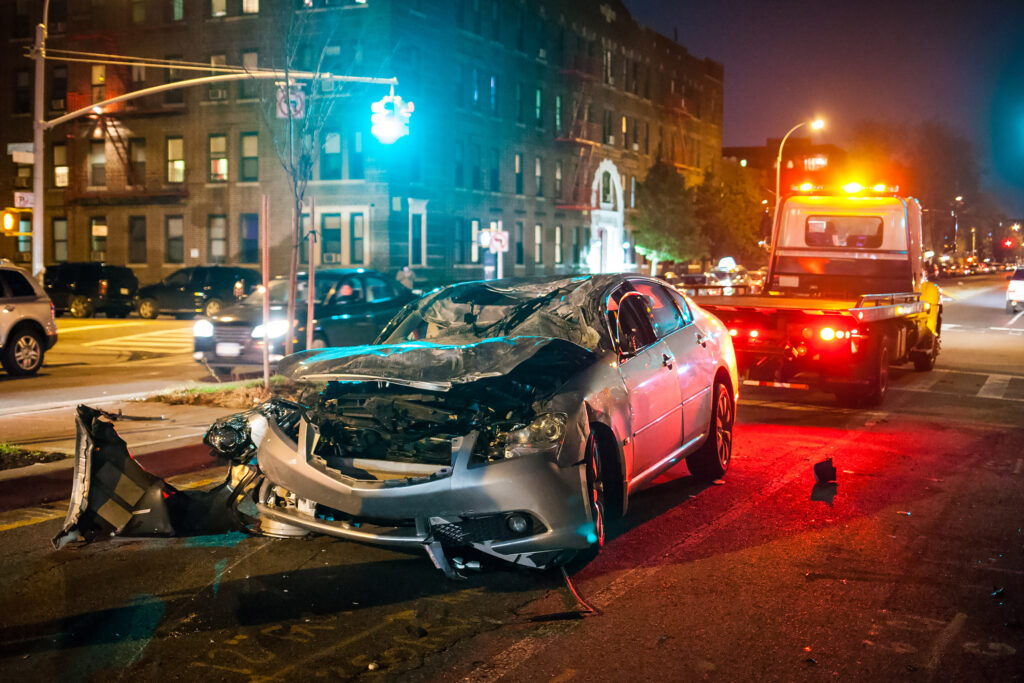
When facing a complex car accident case in California, expert witnesses can make the difference between a successful claim and an unsuccessful one. Expert witnesses are specially qualified professionals who provide technical testimony to help courts understand complicated aspects of your case that go beyond common knowledge. In California, these professionals must meet specific qualifications under the California Evidence Code and follow strict disclosure requirements that differ from federal court procedures.
Expert witnesses become essential when your case involves disputed fault, serious injuries requiring specialized medical analysis, or future damages that need precise calculation. Whether you’re dealing with complex accident reconstruction, biomechanical injury analysis, or long-term care planning, the right expert witness can provide the credible testimony needed to establish liability and prove the full extent of your damages. Understanding when you need these professionals, what types are available, and how much they cost helps you make informed decisions about your California car accident case.
The key to successful expert witness testimony lies in selecting qualified professionals early in your case and ensuring they meet California’s specific disclosure deadlines and declaration requirements. From accident reconstruction specialists who recreate crash dynamics to life care planners who calculate future medical needs, each type of expert serves a unique purpose in building your strongest possible case.
What Are Expert Witnesses in Car Accident Cases?
Expert witnesses are uniquely qualified professionals who provide specialized testimony to help attorneys, judges, and juries comprehend intricate details about how accidents occurred, the extent of injuries, and the long-term consequences for victims. Unlike lay witnesses who can only testify about what they observed, expert witnesses use their specialized knowledge, training, and experience to interpret evidence and offer professional opinions that help clarify complex technical issues.
The expert’s knowledge must be based on special skill, training, or experience that the average person does not possess, going beyond common sense to offer insights that only a professional in that field could provide. In California car accident cases, expert witnesses commonly include accident reconstruction engineers, medical specialists, biomechanical experts, economists, and life care planners who each bring different technical expertise to help establish crucial elements of your case.
Legal Framework for Expert Testimony in California
California’s expert witness rules operate under the California Evidence Code, which permits expert testimony when it helps the trier of fact understand evidence or determine disputed facts. To qualify as an expert witness in California courts, individuals must demonstrate sufficient education, training, and professional experience in their area of expertise relevant to the case.
The California Evidence Code requires that expert testimony be based on matter that is “of a type that reasonably may be relied upon by an expert in forming an opinion upon the subject.” This means experts must use reliable methods and data sources that other professionals in their field would typically rely upon when forming professional opinions.
When Expert Witnesses Are Essential
Not all car accident cases require expert witnesses to reach successful resolutions. However, specific situations frequently demand additional professional analysis and testimony to prove key elements of your claim:
Disputed liability scenarios where fault determination requires technical analysis of vehicle dynamics, road conditions, or driver behavior that goes beyond what witnesses observed. Complex injury cases involving traumatic brain injuries, spinal cord damage, or internal injuries that require specialized medical testimony to establish the connection between the accident and your injuries. Future damages calculations where you need professional analysis to quantify lost earning capacity, future medical costs, or long-term care requirements.
Causation challenges arise when insurance companies dispute whether your injuries resulted from the accident or pre-existing conditions, requiring expert medical testimony to establish the causal relationship. Trial preparation often benefits from expert analysis even in cases that ultimately settle, as expert reports strengthen your negotiating position and demonstrate the strength of your evidence.
Types of Expert Witnesses for California Car Accident Cases
California car accident cases utilize five primary categories of expert witnesses, each bringing specialized knowledge to address different aspects of your claim. Understanding what each type of expert provides helps you determine which professionals your case needs and when to engage their services.
Accident Reconstruction Experts
Accident reconstruction experts are uniquely qualified professionals who recreate how car accidents occurred to help determine fault and liability. These specialists typically include engineers, traffic safety experts, scientists, forensic investigators, or law enforcement officers with significant experience in analyzing vehicular collisions. Their primary role involves using scientific methods and engineering principles to analyze physical evidence and determine the sequence of events leading to your accident.
At [Company], we recommend accident reconstruction experts for cases involving disputed fault, multiple vehicles, or unusual circumstances where the cause of the accident isn’t immediately clear. These professionals provide objective analysis that helps establish liability and counter insurance company disputes about who caused the accident.
What Accident Reconstruction Experts Analyze
Accident reconstruction experts examine multiple types of evidence to piece together how your accident occurred. Physical evidence analysis includes vehicle damage patterns, tire marks, road surface conditions, traffic control devices, and debris fields that tell the story of impact forces and vehicle movements.
Vehicle dynamics assessment involves calculating speeds, acceleration, braking distances, and steering inputs based on physical evidence and known vehicle performance characteristics. Environmental factors such as weather conditions, lighting, road geometry, and visibility conditions that may have contributed to the accident.
Electronic data retrieval from modern vehicles’ event data recorders (black boxes) provides precise information about vehicle speed, brake application, steering angle, and seatbelt usage in the seconds before impact.
Technology and Methods Used
Modern accident reconstruction utilizes sophisticated technology to create accurate analyses. 3D laser scanning captures precise measurements of accident scenes, vehicles, and damage patterns to create detailed digital models. Photogrammetry uses multiple photographs to create accurate scale measurements and three-dimensional representations of the accident scene.
Computer simulation software allows experts to test different scenarios and demonstrate how the accident occurred through visual animations that juries can easily understand. Crash data retrieval involves downloading information from vehicle computers that record critical data during collisions.
Medical Expert Witnesses
Medical professionals serve as expert witnesses to testify about the extent of injuries, treatment requirements, prognosis, and long-term effects of car accident injuries. These experts help establish the medical foundation for your damages claim by providing professional opinions about injury causation, treatment necessity, and future medical needs.
Medical expert witnesses typically include treating physicians, independent medical examiners, specialists in relevant medical fields, and rehabilitation professionals who can speak to your specific injuries and their impact on your life.
Specialties of Medical Expert Witnesses
Different medical specialties address various aspects of car accident injuries. Orthopedic surgeons provide expertise on bone fractures, joint injuries, spinal conditions, and musculoskeletal trauma commonly seen in car accidents. Neurologists and neurosurgeons testify about traumatic brain injuries, spinal cord damage, and neurological complications.
Pain management specialists address chronic pain conditions, treatment protocols, and the long-term impact of persistent pain on quality of life. Psychiatrists and psychologists provide testimony about emotional trauma, PTSD, depression, and other psychological consequences of serious accidents.
Physical medicine and rehabilitation physicians specialize in disability assessment, functional capacity evaluation, and long-term rehabilitation needs following serious injuries.
Biomechanical Expert Witnesses
Biomechanical expert witnesses specialize in analyzing how forces affect the human body during accidents. These experts provide testimony about injury causation by examining the relationship between crash forces and resulting medical conditions. Biomechanical analysis helps establish whether your specific injuries could have resulted from the forces involved in your particular accident.
These professionals typically hold advanced degrees in biomedical engineering, biomechanics, or related fields, with extensive experience in analyzing human injury mechanisms. They use scientific principles to evaluate whether the forces generated in your accident were sufficient to cause your claimed injuries.
Biomechanical experts become particularly valuable when insurance companies dispute injury causation or claim that your injuries were pre-existing rather than accident-related. Their analysis provides scientific foundation for connecting your medical conditions to the specific forces experienced during your collision.
Economic and Vocational Rehabilitation Experts
Economic and vocational experts calculate the financial impact of your injuries on your earning capacity and future income potential. These professionals conduct comprehensive assessments to determine how your injuries affect your ability to work and earn money throughout your remaining career.
Vocational rehabilitation experts evaluate your work skills, education, experience, and physical limitations to determine what jobs you can perform post-accident. They consider factors such as transferable skills, retraining potential, and labor market conditions to assess your employability and earning capacity.
Economic experts take vocational assessments and calculate the present value of lost earnings, reduced earning capacity, and career advancement opportunities lost due to your injuries. These calculations become crucial for establishing economic damages in cases involving permanent disabilities or long-term work restrictions.
Life Care Planning Experts
Life care planner expert witnesses provide comprehensive assessments of future medical care needs and associated costs for individuals with catastrophic injuries. These certified professionals create detailed plans that project future medical treatment, rehabilitation services, personal care assistance, equipment needs, and home modifications required throughout your lifetime.
Life care planners typically hold certifications in areas such as nursing, rehabilitation counseling, or case management, with specialized training in life care planning methodology. They work with medical providers, therapists, and other professionals to develop comprehensive care plans based on your specific injuries and functional limitations.
These experts become essential in cases involving spinal cord injuries, traumatic brain injuries, amputations, or other catastrophic conditions that require ongoing medical care and support services. Their detailed plans provide the foundation for calculating future medical costs and care-related damages in high-value injury cases.
When Do You Need Expert Witnesses in California Car Accident Cases?
Expert witnesses become necessary when your case involves technical issues that require specialized knowledge to explain to judges and juries. Understanding when to engage expert witnesses helps you build the strongest possible case while managing costs effectively.
Disputed Liability and Fault Determination
When fault determination isn’t clear from the available evidence, accident reconstruction experts provide crucial analysis to establish liability. Multi-vehicle accidents often require expert analysis to determine which driver’s actions caused the collision and whether multiple parties share responsibility.
Intersection accidents frequently involve complex right-of-way issues, traffic signal timing, and driver behavior analysis that benefits from expert reconstruction. Weather-related accidents may require analysis of how road conditions, visibility, and vehicle performance contributed to the collision.
Serious Injuries Requiring Medical Analysis
Certain types of injuries require expert medical testimony to establish the full extent of damages and connect injuries to your accident. Traumatic brain injuries often involve subtle symptoms that require neurological expertise to properly diagnose and explain to juries.
Spinal cord injuries require specialized medical testimony to establish the extent of neurological damage and project future medical needs. Internal organ damage may not be immediately apparent and requires expert analysis to connect symptoms to accident trauma.
Future Damages and Long-Term Care Needs
Cases involving permanent disabilities or long-term medical needs require expert analysis to calculate future damages accurately. Permanent work disabilities need vocational expert assessment to determine lost earning capacity and career impact.
Ongoing medical treatment requires life care planning expertise to project future medical costs and care requirements. Home modifications and assistive equipment needs require expert evaluation to determine necessary accommodations and associated costs.
California Expert Witness Disclosure Requirements
California operates under strict expert witness disclosure rules that differ significantly from federal court procedures. Understanding these requirements helps ensure your expert witnesses can testify at trial and avoid potential sanctions for non-compliance.
Expert witnesses must be demanded 70 days before trial or within 10 days of setting the trial date, whichever is closer to the trial date. Following the demand, initial expert witness information must be exchanged 50 days before trial or 20 days after service of a trial date, whichever is closer to trial.
Disclosure Deadlines and Timeline
The California expert witness disclosure process follows a specific timeline that requires careful attention to deadlines. Initial demand for expert witness information must be served at least 70 days before trial, establishing each party’s obligation to disclose expert witnesses.
Simultaneous exchange of expert witness information occurs 50 days before trial, with both parties disclosing their retained experts on the same day. Supplemental disclosures may be required if expert opinions change or additional experts are retained after the initial exchange.
Discovery cutoff typically occurs 30 days before trial, after which no additional expert discovery can be conducted without court approval. Understanding these deadlines helps ensure your experts can be properly disclosed and prepared for testimony.
Mandatory Declaration Requirements
California law requires strict compliance with expert witness declarations for retained experts. Each declaration must include specific statutory elements: confirmation that the expert has agreed to testify at trial, verification of sufficient qualifications to provide stated opinions, agreement to appear for deposition, and availability for trial testimony.
The declaration must also include a statement of all opinions the expert will express and the basis for each opinion. This requirement means your expert’s analysis must be substantially complete before the disclosure deadline, emphasizing the importance of early expert engagement.
How to Find Qualified Expert Witnesses in California
Locating qualified expert witnesses requires understanding what credentials and experience make experts credible and effective in California courts. The right expert combines technical expertise with strong communication skills and courtroom experience.
Qualifications to Look for in Expert Witnesses
Effective expert witnesses possess specific qualifications that enhance their credibility with judges and juries. Advanced education in relevant fields provides the foundation for expert opinions, while professional certifications demonstrate ongoing competence and commitment to their specialty.
Extensive professional experience in the relevant field shows practical application of theoretical knowledge. Previous expert witness experience indicates familiarity with legal proceedings and ability to communicate complex concepts effectively.
Professional reputation among peers and in the legal community enhances credibility and effectiveness. Clear communication skills help experts explain complex technical concepts in terms that juries can understand and apply to your case.
Geographic Coverage Areas in California
Expert witnesses are available throughout California’s major metropolitan areas, with some specialists willing to travel statewide for appropriate cases. Los Angeles area offers the largest concentration of expert witnesses across all specialties, with extensive experience in high-volume court systems.
San Diego region provides qualified experts with experience in both urban and rural accident scenarios. San Francisco Bay Area offers specialized experts in high-tech vehicle systems and complex engineering analysis.
Central Valley and Northern California experts often provide more cost-effective options while maintaining high qualifications and experience. Many experts are willing to travel throughout California for significant cases, expanding your options for finding the right professional for your specific needs.
Expert Witness Costs and Fee Structures
Expert witness fees vary significantly based on the type of service, case complexity, and expert qualifications. Understanding typical cost ranges helps you budget appropriately and make informed decisions about which experts your case requires.
The average expert witness hourly rate across all specialties is $356 per hour for initial case reviews, $448 per hour for deposition appearances, and $478 per hour for trial testimony. However, these rates can vary substantially based on the expert’s experience, specialty, and case complexity.
Hourly Rates by Expert Type
Different types of expert witnesses command different fee structures based on their specialized knowledge and market demand. Accident reconstruction experts typically charge $300-500 per hour for analysis and $400-600 per hour for deposition and trial testimony.
Medical expert witnesses vary widely based on specialty, with general practitioners charging $400-600 per hour while specialized surgeons and subspecialists may charge $600-1,000 per hour or more.
Biomechanical experts with advanced engineering degrees typically charge $400-700 per hour for analysis and testimony. Economic experts usually charge $300-600 per hour depending on their credentials and experience level.
Life care planners typically charge $200-400 per hour for plan development and $300-500 per hour for testimony, making them among the more cost-effective expert options.
Total Case Cost Considerations
Total expert witness costs depend on case complexity and duration. A straightforward case requiring basic expert consultation and review might involve $2,500-5,000 in expert fees. More complex cases requiring detailed analysis, multiple experts, and trial testimony can range from $10,000-30,000 or more.
Settlement cases typically involve lower expert costs since extensive trial preparation isn’t necessary. Trial cases require more comprehensive expert preparation, including detailed reports, deposition preparation, and trial testimony preparation.
Multiple expert cases involving several specialists can significantly increase costs but may be necessary for complex injuries or disputed liability scenarios. Planning expert engagement strategically helps control costs while ensuring you have the expertise needed to prove your case.
Expert Witness Preparation and Testimony Process
Effective expert witness testimony requires thorough preparation and understanding of the legal process. Experts must be prepared to present their opinions clearly and withstand cross-examination from opposing counsel.
Deposition Preparation and Process
Expert witness depositions allow opposing counsel to explore the expert’s opinions, methodology, and qualifications before trial. Deposition preparation involves reviewing all case materials, expert reports, and anticipated areas of questioning with your attorney.
Document review ensures experts are familiar with all relevant evidence and can explain how it supports their opinions. Opinion refinement may occur during preparation as experts consider potential challenges to their analysis.
Cross-examination preparation helps experts anticipate difficult questions and prepare clear, professional responses that maintain their credibility. Well-prepared experts can strengthen your case during deposition by demonstrating thorough analysis and professional competence.
Trial Testimony and Cross-Examination
Trial testimony represents the culmination of expert witness involvement in your case. Direct examination allows your attorney to present the expert’s opinions and supporting analysis to the jury in a clear, compelling manner.
Cross-examination tests the expert’s opinions, methodology, and qualifications through challenging questions from opposing counsel. Effective experts maintain composure, answer questions directly, and explain their reasoning clearly even under aggressive questioning.
Visual aids such as charts, diagrams, and computer animations can help experts communicate complex concepts effectively to juries. Professional demeanor and clear communication enhance expert credibility and help juries understand and accept expert opinions.
Common Questions About Expert Witnesses in California Car Accident Cases
Understanding frequently asked questions about expert witnesses helps you make informed decisions about your case and set appropriate expectations for the expert witness process.
How Long Does Expert Analysis Take?
Expert analysis timelines vary based on case complexity and expert type. Accident reconstruction typically requires 2-6 weeks for initial analysis, depending on available evidence and scene complexity. Medical expert review can often be completed within 1-3 weeks for straightforward injury cases.
Life care planning for catastrophic injuries may require 4-8 weeks to complete comprehensive assessments and coordinate with multiple medical providers. Economic analysis usually takes 2-4 weeks once medical and vocational assessments are complete.
Starting expert analysis early in your case provides more time for thorough evaluation and allows experts to request additional information if needed. Rush expert analysis may result in higher fees and potentially less comprehensive opinions.
Can Expert Witnesses Guarantee Case Outcomes?
Expert witnesses cannot guarantee case outcomes, but they significantly strengthen your case by providing credible professional opinions about technical issues. Strong expert testimony helps establish key elements of your claim and counters opposing arguments effectively.
Expert credibility depends on their qualifications, methodology, and ability to explain complex concepts clearly to juries. Case outcomes depend on multiple factors including evidence quality, legal arguments, and jury decisions.
Quality expert witnesses provide honest, professional opinions based on reliable analysis and methodology. They cannot guarantee favorable results but can significantly improve your chances of success by providing credible testimony that supports your claims.
What Happens if Expert Witnesses Disagree?
Conflicting expert testimony is common in complex car accident cases, and courts have established procedures for handling disagreements between qualified experts. Jury evaluation of conflicting expert opinions considers factors such as expert qualifications, methodology quality, and communication effectiveness.
Cross-examination allows attorneys to challenge opposing experts and highlight weaknesses in their analysis or opinions. Supporting evidence that corroborates expert opinions helps juries determine which expert testimony is more credible and reliable.
Judge instructions help juries understand their role in evaluating expert testimony and determining which opinions to accept. Courts recognize that reasonable experts can disagree and provide guidance for weighing conflicting professional opinions.
Get Expert Legal Representation for Your California Car Accident Case
Navigating expert witness requirements and building a strong car accident case requires experienced legal guidance. The right combination of qualified expert witnesses and skilled legal representation can make the difference between a successful claim and an unsuccessful one. Understanding when you need expert witnesses, what types of professionals can strengthen your case, and how to manage costs effectively helps you make informed decisions about your legal strategy.
If you’re dealing with a complex car accident case that may require expert witness testimony, don’t navigate this process alone. Our experienced California car accident attorneys can evaluate your case, recommend appropriate expert witnesses, and ensure all disclosure requirements are met within California’s strict deadlines. Contact us today to discuss your case and learn how we can help you build the strongest possible claim for your injuries and damages.