
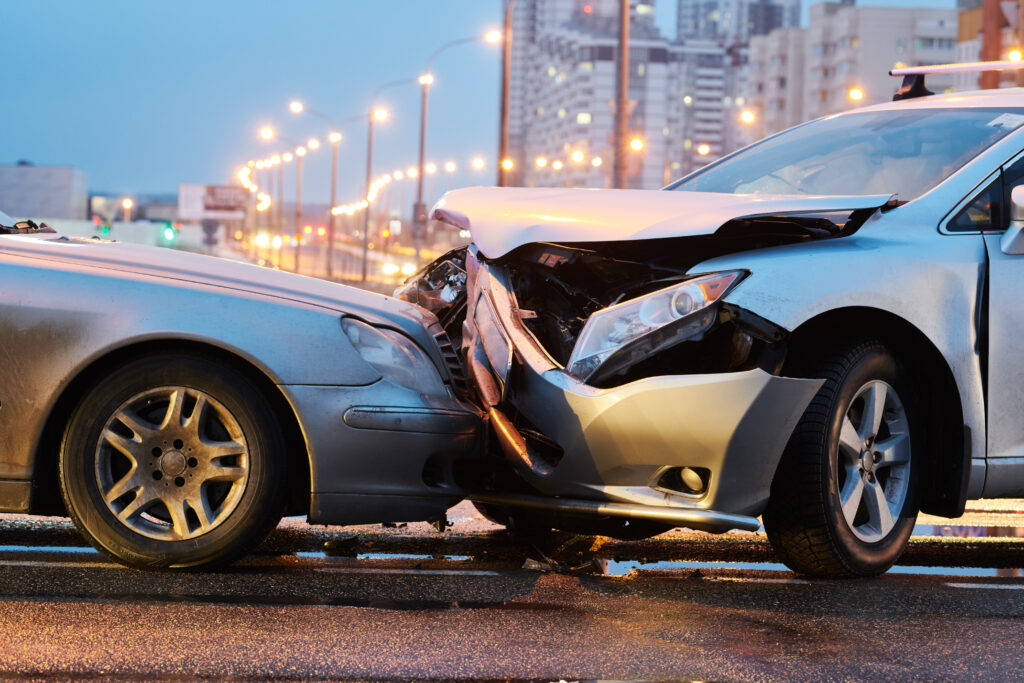
Being a passenger in a California car accident gives you the strongest legal position possible. Unlike drivers who may share responsibility for the crash, passengers are almost never at fault and can pursue compensation from multiple insurance sources. Under California’s pure comparative negligence law, you have the right to seek full damages from any negligent party involved in your accident, whether that’s the driver you rode with, another driver, or both.
California law provides exceptional protection for injured passengers through multiple recovery options and the state’s comprehensive insurance requirements. With new minimum coverage limits of $30,000 per person and $60,000 per accident implemented in 2025, passengers have enhanced financial protection when accidents occur. Understanding your rights as a passenger ensures you receive the full compensation you deserve for your injuries.
Why Passengers Have the Strongest Legal Position in California Car Accidents
Passengers enjoy unique advantages that drivers simply don’t have when pursuing car accident claims. This privileged position stems from California’s legal framework that recognizes passengers as innocent parties who had no control over the circumstances leading to their injuries.
Passengers Are Almost Never at Fault
California’s vehicle code places the responsibility of safe driving squarely on licensed operators, not their passengers. Unless you actively interfered with the driver’s ability to operate the vehicle safely (such as grabbing the steering wheel), you bear no legal responsibility for the accident. This means your compensation won’t be reduced due to comparative fault—a significant advantage over drivers who may have their settlements diminished based on their percentage of responsibility.
The legal principle here is straightforward: passengers don’t control the vehicle, choose the route, or make driving decisions. You trusted a licensed driver to transport you safely, and when that trust is broken due to negligence, California law protects your right to full compensation. At our firm, we’ve seen countless cases where passengers received 100% of their damages while drivers involved in the same accident had their compensation reduced due to shared fault.
Multiple Insurance Policies Available for Recovery
Unlike single-vehicle accidents where drivers may only have one source of insurance coverage, passengers can potentially access multiple insurance policies. This creates several pathways to compensation, ensuring you’re not left without recourse if one insurance company denies your claim or offers inadequate compensation.
Your recovery options include the insurance policy of the driver you were riding with, the insurance policies of any other drivers involved in the accident, and potentially your own uninsured/underinsured motorist coverage. In multi-vehicle accidents, this could mean access to three, four, or even more insurance policies—each providing potential compensation for your injuries.
What Compensation Can Passengers Recover in California?
California law allows injured passengers to pursue both economic and non-economic damages, ensuring comprehensive compensation for all aspects of your injuries and their impact on your life.
Economic Damages for Passengers
Economic damages represent the measurable financial losses resulting from your accident. These include:
Medical expenses cover all treatment related to your injuries, from emergency room visits and ambulance transportation to ongoing physical therapy, prescription medications, and future medical care. California law requires insurance companies to pay for all reasonable and necessary medical treatment, regardless of whether you have health insurance.
Lost wages compensate you for income lost while recovering from your injuries. This includes not only the time you missed immediately after the accident but also future earning capacity if your injuries prevent you from returning to your previous level of employment. Self-employed individuals can recover lost business income with proper documentation.
Property damage covers personal items damaged in the accident, such as electronics, clothing, eyeglasses, or other belongings. While often overlooked, these costs can add up significantly and are fully recoverable under California law.
Non-Economic Damages Including Pain and Suffering
Non-economic damages address the intangible but very real impacts of your injuries on your quality of life. Pain and suffering compensation acknowledges the physical discomfort, emotional distress, and mental anguish you’ve experienced due to the accident.
California’s pure comparative negligence system means passengers typically receive full non-economic damages without reduction. These damages can be substantial, often exceeding economic losses in cases involving serious injuries or long recovery periods. Factors influencing pain and suffering awards include the severity of your injuries, duration of recovery, impact on daily activities, and long-term consequences of your injuries.
Four Sources of Recovery for Injured Passengers
Understanding the multiple avenues for compensation ensures you don’t miss potential sources of recovery for your injuries.
Your Driver’s Insurance Coverage
The insurance policy of the driver you were riding with provides your first potential source of compensation. This coverage applies regardless of whether the driver was a family member, friend, or rideshare operator. California’s minimum liability coverage of $30,000 per person and $60,000 per accident provides baseline protection, though many drivers carry higher limits.
When pursuing claims against your driver’s insurance, remember that policy limits may need to be shared among multiple injured parties. If the driver’s coverage is insufficient to fully compensate all injured passengers and other accident victims, you’ll need to explore additional recovery sources.
Other Driver’s Insurance Policy
If another driver caused or contributed to the accident, their insurance policy becomes available for your claim. This is often the primary source of recovery when your driver was clearly not at fault for the collision. California law requires all drivers to maintain liability insurance, creating this safety net for injured passengers.
In cases involving commercial vehicles, drunk drivers, or drivers with substantial assets, these policies may offer higher coverage limits than typical personal auto policies. At our firm, we’ve secured significant settlements for passengers by identifying and pursuing claims against multiple at-fault drivers with substantial insurance coverage.
Your Own Uninsured Motorist Coverage
Your personal auto insurance policy may include uninsured/underinsured motorist coverage that protects you even when riding as a passenger in someone else’s vehicle. This coverage becomes crucial when at-fault drivers lack adequate insurance or when hit-and-run drivers cannot be identified.
Many California residents don’t realize their UM/UIM coverage extends beyond their own vehicle. This coverage can provide substantial additional compensation, especially in serious injury cases where other insurance sources are insufficient.
Third-Party Liability Claims
Various third parties may bear responsibility for passenger injuries beyond the drivers directly involved in the accident. These might include employers if a driver was working at the time of the accident, alcohol vendors who over-served a drunk driver, or even government entities responsible for dangerous road conditions that contributed to the crash.
How California’s Comparative Negligence Law Benefits Passengers
California operates under a pure comparative negligence system that allows injured parties to recover damages regardless of their percentage of fault, with compensation reduced proportionally to their responsibility.
Pure Comparative Fault Protects Passenger Rights
For passengers, California’s comparative negligence law creates a significant advantage because passengers typically bear zero fault for accidents. While drivers involved in the same crash may have their compensation reduced based on their percentage of responsibility, passengers usually receive 100% of their calculated damages.
This legal protection means that even if both drivers share fault for the accident, you as a passenger can still pursue full compensation from either or both drivers. The drivers’ shared responsibility doesn’t reduce your recovery—it simply determines how the liability is allocated between them.
When Both Drivers Share Fault
In accidents where both drivers contributed to the collision, passengers benefit from being able to pursue compensation from either driver regardless of fault allocation. For example, if Driver A is 60% at fault and Driver B is 40% at fault, you can pursue your full damages from either driver’s insurance or seek partial compensation from both.
This flexibility provides multiple pathways to recovery and ensures that disputes between drivers and their insurance companies don’t prevent you from receiving compensation for your injuries.
Special Passenger Situations in California
Certain passenger circumstances require special consideration due to unique legal protections or complications that may arise.
Rideshare Passenger Rights with Uber and Lyft
Rideshare passengers have additional protections beyond traditional passenger rights. Both Uber and Lyft carry commercial liability insurance of at least $1 million that covers passengers when their driver is en route to pick up a passenger, during the ride, or on a trip.
However, coverage complexities arise depending on the driver’s app status at the time of the accident. When the rideshare app is off, only the driver’s personal insurance applies. When the app is on but no passenger is present, limited coverage may apply. Understanding these distinctions is crucial for maximizing your rideshare accident recovery.
Family and Friend Driver Complications
Pursuing claims against family members or friends can create emotional and legal complications. While California law doesn’t prevent these claims, insurance companies sometimes raise additional defenses or family members may be reluctant to cooperate with the claims process.
These situations require sensitive handling to preserve relationships while ensuring you receive necessary compensation for your injuries. Professional legal representation often helps navigate these delicate circumstances while protecting both your legal rights and personal relationships.
Backseat Passenger Protections
Backseat passengers may face unique injury patterns and legal considerations. While front-seat passengers benefit from airbag protection, backseat passengers in older vehicles may lack these safety features, potentially leading to more severe injuries in certain types of crashes.
California law provides equal protection for all passengers regardless of seating position, but documenting the specific circumstances of backseat injuries may require additional attention to vehicle safety features and crashworthiness issues.
Essential Steps After a Passenger Injury
Taking proper action immediately after an accident protects both your health and legal rights.
Immediate Actions at the Accident Scene
Your first priority is always medical attention. Even if you feel fine immediately after the accident, adrenaline can mask serious injuries. Request medical evaluation at the scene and follow through with comprehensive medical examination at a hospital or urgent care facility.
Document everything possible at the scene. Take photos of vehicle damage, road conditions, traffic signals, and visible injuries. Collect contact information from all drivers, passengers, and witnesses. Note the exact location, time, and weather conditions. This documentation becomes crucial evidence for your future claims.
Exchange insurance information with all drivers involved, but avoid discussing fault or making statements about how the accident occurred. These conversations can be taken out of context and used against you later in the claims process.
DMV Reporting Requirements for Passenger Injuries
California law requires filing an SR-1 report with the DMV within 10 days if any passenger sustains an injury, regardless of severity. This requirement applies even for minor injuries that seem insignificant at the time.
The SR-1 form documents the accident for state records and may be required by insurance companies during the claims process. Failure to file this report can create complications with your insurance claims and may result in license suspension for the drivers involved.
Insurance Claim Filing Process
Contact all relevant insurance companies promptly to report the accident and your injuries. This includes the insurance companies for all drivers involved in the accident as well as your own insurance carrier if you have UM/UIM coverage.
Provide basic facts about the accident but avoid detailed statements about fault or the extent of your injuries until you’ve had thorough medical evaluation. Insurance adjusters may attempt to obtain recorded statements early in the process—consider consulting with an attorney before providing these statements to ensure your rights are protected.
When to Contact a California Passenger Rights Attorney
While some simple passenger injury cases can be handled independently, many situations benefit from professional legal representation to ensure maximum recovery.
Complex Multi-Vehicle Accidents
Accidents involving multiple vehicles create complex liability scenarios with numerous insurance companies and potentially conflicting accounts of how the accident occurred. Professional legal representation ensures all potential sources of recovery are identified and pursued while protecting you from attempts by insurance companies to shift blame or minimize your injuries.
At our firm, we’ve handled multi-vehicle passenger cases involving up to six different insurance policies, requiring coordination between multiple adjusters, medical providers, and legal teams to secure optimal outcomes for our clients.
Disputes Over Insurance Coverage
Insurance companies sometimes dispute coverage for passenger injuries, claim policy exclusions apply, or argue that other insurance should be primary. These coverage disputes can delay your compensation and require legal expertise to resolve effectively.
Professional representation ensures insurance companies honor their obligations to injured passengers and prevents tactics designed to avoid or minimize legitimate claims.
Maximizing Your Passenger Injury Settlement
Serious passenger injuries often result in substantial compensation, making professional representation valuable for ensuring full recovery. Insurance companies may offer quick settlements that seem generous but fall short of your actual damages, especially when considering future medical expenses and long-term impacts of your injuries.
Experienced passenger rights attorneys understand how to properly value claims, negotiate with insurance companies, and pursue litigation when necessary to secure maximum compensation for your injuries.
—
Get the Legal Protection You Deserve as an Injured Passenger
As a passenger injured in a California car accident, you have strong legal rights and multiple avenues for compensation. Understanding these rights and taking proper action protects your ability to recover full damages for your injuries, medical expenses, lost wages, and pain and suffering.
Our experienced California passenger rights attorneys have successfully represented hundreds of injured passengers throughout Los Angeles, San Diego, the Bay Area, and across California. We understand the unique advantages passengers have under California law and know how to maximize your compensation from all available insurance sources. Don’t let insurance companies take advantage of your situation—contact us today for a free consultation about your passenger injury case.