
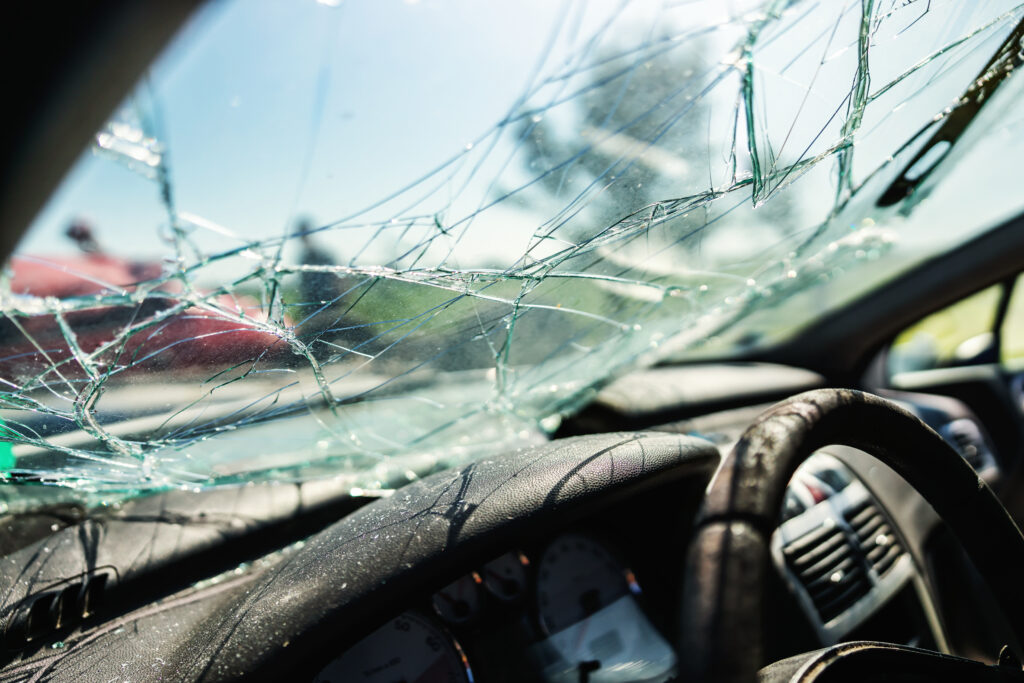
Property damage claims after car accidents in California allow you to recover compensation for vehicle damage, personal belongings, and related expenses – completely separate from any injury claims you might have. Unlike personal injury claims which now have just a one-year statute of limitations in California, property damage claims give you three full years to seek compensation. This extended timeframe reflects the fact that vehicle damage assessment and repair costs can take time to fully understand, especially when dealing with hidden damage or diminished value issues.
The landscape for property damage claims shifted significantly in 2025 when California tripled its minimum property damage liability coverage from $5,000 to $15,000 under the Protect California Drivers Act. At our firm, we recommend understanding these changes because they directly impact how much coverage is available to compensate you for vehicle damage and other property losses.
What Is a Property Damage Claim After a Car Accident?
A property damage claim seeks compensation for physical damage to your vehicle and personal belongings caused by another driver’s negligence. These claims operate independently from personal injury cases, giving you the flexibility to pursue vehicle repairs or replacement without waiting for medical treatment to conclude.
Property Damage vs Personal Injury Claims
The key distinction lies in timing and evidence requirements. Property damage claims in California have a three-year statute of limitations, while personal injury claims must be filed within one year as of 2025. This means you can settle your property damage quickly to get your vehicle repaired while taking time to understand the full extent of any injuries.
Your property damage claim addresses tangible losses like repair costs, rental car expenses, and diminished value. Personal injury claims cover medical bills, lost wages, and pain and suffering. Many accident victims pursue both types of claims simultaneously but settle them separately.
Types of Property Damage You Can Recover
California law allows recovery for several categories of property damage beyond just vehicle repairs. You can seek compensation for damage to personal belongings inside your vehicle, including electronics, clothing, child safety seats, and work equipment. If your vehicle becomes a total loss, you’re entitled to its fair market value immediately before the accident.
Rental car reimbursement covers transportation while your vehicle undergoes repairs or until you receive total loss settlement. Additionally, California recognizes diminished value claims – compensation for the reduced resale value your vehicle suffers even after proper repairs.
California Property Damage Claim Laws You Need to Know
California’s legal framework for property damage claims provides specific protections and requirements that differ from other states. Understanding these laws helps you maximize your recovery and avoid common pitfalls that could reduce your settlement.
Three-Year Statute of Limitations for Property Damage
California Civil Code provides three years from the accident date to file property damage claims in court. This extended timeframe, compared to the one-year limit for injury claims, recognizes that property damage assessment can be complex. Hidden damage might not appear immediately, and diminished value calculations require time to determine accurately.
The three-year period applies whether you’re pursuing claims through insurance companies or considering court action. However, insurance companies often pressure for quick settlements, so document all damage thoroughly before agreeing to any resolution.
New 2025 Minimum Insurance Requirements
Effective January 1, 2025, California increased minimum property damage liability coverage from $5,000 to $15,000 per accident – the first increase in over 50 years. This change means at-fault drivers now carry more coverage to compensate for vehicle damage, though the $15,000 limit still falls short of covering total losses for most modern vehicles.
The 2025 insurance law changes also include plans to increase property damage minimums to $25,000 by 2035. These increases take effect when policies renew after January 1, 2025, so implementation varies by driver.
How to File a Property Damage Claim in California
Filing your claim promptly and correctly sets the foundation for maximum recovery. The process differs depending on whether you’re claiming against the at-fault driver’s insurance (third-party claim) or your own coverage (first-party claim).
First-Party vs Third-Party Claims
Third-party claims target the at-fault driver’s liability insurance. These claims typically provide better coverage limits and don’t affect your insurance premiums, but you must prove the other driver’s fault. California’s comparative negligence laws mean you can still recover even if you’re partially at fault, though your settlement reduces by your percentage of responsibility.
First-party claims use your own collision or comprehensive coverage. These process faster since fault determination isn’t required, but you’ll pay your deductible and might face premium increases. At our firm, we often recommend filing both types of claims to ensure maximum protection and faster resolution.
Required Documentation for Your Claim
Strong documentation significantly impacts your settlement amount. Start by photographing all vehicle damage from multiple angles, including close-ups of specific impact points and wide shots showing the accident scene. Collect the other driver’s insurance information, driver’s license details, and vehicle registration.
Obtain repair estimates from reputable body shops – we recommend getting at least three estimates to establish the damage scope. Keep receipts for all expenses related to the accident, including towing, storage fees, and rental car costs. Medical records, even for minor injuries, can support your property damage claim by demonstrating the accident’s severity.
DMV Accident Report Requirements
California requires DMV accident reports (Form SR-1) within 10 days if the accident involves injury, death, or property damage exceeding $1,000. While this doesn’t directly impact your insurance claim, filing creates an official record that can support your case.
Police reports, when available, provide valuable third-party documentation of fault and damage. However, many minor accidents don’t involve police response, making your own documentation crucial for claim success.
What Property Damage Insurance Covers
Understanding coverage types helps you identify all available compensation sources and choose the best strategy for your claim. Different coverage types provide varying benefits and limitations that affect your recovery.
Liability Insurance Coverage
The at-fault driver’s liability coverage pays for damage they cause to your vehicle and property. California’s new $15,000 minimum provides basic protection, though many drivers carry higher limits. Liability coverage doesn’t require you to pay a deductible, making it the preferred source for compensation when fault is clear.
However, liability claims require proving the other driver’s negligence and can take longer to resolve if fault is disputed. Insurance companies often delay liability payments while investigating accident circumstances.
Collision Coverage Benefits
Your collision coverage pays for vehicle damage regardless of fault, minus your chosen deductible. This coverage typically processes faster than liability claims since fault determination isn’t required. Collision coverage applies to single-vehicle accidents, hit-and-run incidents, and multi-vehicle crashes where you want immediate repairs.
Most collision policies cover actual cash value rather than replacement cost, meaning you receive your vehicle’s depreciated value rather than the cost of a new equivalent model. Gap insurance can help bridge this difference for financed vehicles.
Uninsured Motorist Property Damage Coverage
California’s uninsured motorist property damage (UMPD) coverage provides up to $3,500 per accident when at-fault drivers carry no insurance. This coverage serves as an alternative to collision coverage, often with lower deductibles. UMPD only applies when the other driver is completely uninsured, not just underinsured with insufficient limits.
Given California’s significant uninsured driver population, UMPD coverage provides valuable protection at relatively low cost. However, the $3,500 limit severely restricts recovery for substantial damage.
How Much Is My Property Damage Claim Worth?
Property damage claim values depend on several factors including repair costs, vehicle age and condition, and local labor rates. California’s high repair costs often exceed other states due to expensive parts and labor, particularly in major metropolitan areas.
Vehicle Repair Cost Estimates
Professional repair estimates form the foundation of your claim value. Body shops evaluate visible damage and perform teardown inspections to identify hidden structural damage. California regulations require written estimates including parts costs, labor hours, and total charges.
We recommend obtaining estimates from shops certified by your vehicle’s manufacturer, as insurance companies generally accept these without challenge. Independent shops can provide competitive estimates, but ensure they’re properly licensed and insured. Supplement estimates often become necessary when hidden damage appears during repairs.
Total Loss Vehicle Calculations
California declares vehicles total losses when repair costs plus salvage value equal or exceed the vehicle’s actual cash value. The state uses a 100% threshold, meaning repair costs must reach the full vehicle value before declaring total loss.
Actual cash value represents your vehicle’s fair market value immediately before the accident, considering age, mileage, condition, and local market prices. Insurance companies use valuation services like Kelley Blue Book, NADA, and Edmunds, but you can challenge their assessments with independent appraisals or comparable vehicle listings.
Diminished Value Claims in California
Diminished value represents the difference between your vehicle’s value before the accident and its reduced value after repairs. California recognizes three types: immediate diminished value (total loss of value), inherent diminished value (permanent loss due to accident history), and repair-related diminished value (loss due to improper repairs).
Most diminished value claims focus on inherent diminished value, calculated using formulas considering vehicle age, mileage, and damage severity. Insurance companies often limit claims to 10% of pre-accident value, though California law doesn’t impose this restriction. Diminished value claims must be filed as third-party claims against the at-fault driver’s insurance within the three-year statute of limitations.
California Total Loss Vehicle Claims
Total loss situations require careful attention to valuation methods and settlement negotiations. Insurance companies profit by minimizing total loss payouts, making independent verification of vehicle values essential for fair compensation.
Fair Market Value Determination
Fair market value equals the price your vehicle would bring in the open market between willing buyers and sellers. Insurance companies use automated valuation systems, but these often undervalue vehicles by failing to account for local market conditions, vehicle history, and optional equipment.
You can challenge valuations by providing evidence of comparable vehicles for sale in your area, recent sales data, and documentation of vehicle improvements or low mileage. Professional appraisals cost $300-500 but often pay for themselves by increasing settlement amounts.
Actual Cash Value vs Replacement Value
Actual cash value accounts for depreciation, paying what your specific vehicle was worth immediately before the accident. Replacement value would provide funds to purchase a similar vehicle at current market prices. Most standard policies pay actual cash value, creating gaps between settlement amounts and replacement costs.
This distinction particularly impacts newer vehicles in inflationary markets where replacement costs exceed actual cash value. Gap insurance addresses this difference for financed vehicles by covering the loan balance exceeding actual cash value.
Gap Insurance Coverage Benefits
Gap insurance pays the difference between your total loss settlement and outstanding loan balance. This coverage prevents you from paying for a vehicle you can no longer drive. Gap insurance also covers your collision or comprehensive deductible, providing additional value beyond loan balance protection.
Without gap insurance, drivers often face thousands in remaining loan payments after total loss settlements. This coverage costs approximately $400-700 for the loan term but provides valuable protection against financial hardship.
Common Property Damage Claim Challenges
Insurance companies employ various tactics to minimize property damage payouts. Understanding these strategies helps you protect your interests and achieve fair compensation for your losses.
Insurance Company Settlement Tactics
Initial settlement offers typically represent 60-70% of actual claim value, testing whether you’ll accept quick payment. Insurance companies count on claimants lacking knowledge about fair compensation and feeling pressure to resolve claims quickly.
Adjusters may question damage severity, suggest repairs at preferred shops offering discounted labor rates, or dispute pre-accident vehicle condition. They might also rush total loss evaluations to avoid discovering additional damage or providing adequate time for independent appraisals.
How to Negotiate with Insurance Adjusters
Successful negotiations require documentation, patience, and understanding of insurance practices. Present repair estimates from multiple shops, emphasizing any discrepancies in the insurance company’s assessment. Provide evidence of vehicle condition before the accident through maintenance records, photos, or previous appraisals.
At our firm, we recommend staying calm and professional while firmly advocating for fair compensation. Document all communications in writing and keep detailed records of conversations, settlement offers, and claim developments. Don’t accept the first offer unless it fully covers your damages.
Claim Denial Appeal Process
Insurance companies sometimes deny legitimate claims citing policy exclusions, coverage gaps, or disputed fault. California requires insurers to provide written denial explanations citing specific policy language or legal grounds. You have the right to appeal these decisions through internal company processes and external review procedures.
The California Department of Insurance accepts complaints about claim handling practices and can investigate bad faith insurance practices. Small claims court provides another avenue for disputes under $12,500, while superior court handles larger claims requiring more extensive legal proceedings.
When to Consider Legal Help for Property Damage Claims
While many property damage claims settle without legal intervention, certain situations benefit from professional legal assistance. Complex cases involving disputed fault, significant damage amounts, or insurance bad faith practices often require legal expertise for optimal outcomes.
Small Claims Court vs Superior Court Filing
California small claims court handles property damage disputes up to $12,500 for individuals, providing an accessible forum for smaller claims without requiring legal representation. The informal process moves quickly and costs minimal filing fees, making it attractive for straightforward disputes.
Superior court becomes necessary for claims exceeding small claims limits or involving complex legal issues. These cases allow full legal representation and discovery procedures but require more time and expense. We evaluate each case to determine the most appropriate venue for achieving your goals.
Benefits of Hiring a Property Damage Attorney
Experienced attorneys understand insurance company tactics and can level the playing field in settlement negotiations. Legal representation often increases settlement amounts by 200-300% even after attorney fees, particularly in cases involving disputed fault or bad faith insurance practices.
Attorneys can also identify additional claims you might not recognize, such as diminished value recovery or bad faith damages. We handle all communications with insurance companies, allowing you to focus on vehicle replacement and returning to normal life.
California Law Firm Coverage Areas
Our firm serves clients throughout California’s major metropolitan areas, including Los Angeles, San Diego, Bay Area, Orange County, and Central Valley regions. We understand local market conditions affecting vehicle values and maintain relationships with qualified appraisers and repair facilities in each area.
Protect Your Rights After a California Car Accident
Property damage claims after California car accidents require careful attention to documentation, timing, and negotiation strategy. The state’s three-year statute of limitations provides adequate time to fully assess damages, but insurance companies often pressure for quick settlements that may not cover all your losses. Understanding the difference between property damage and personal injury claims, along with California’s new 2025 insurance requirements, helps you make informed decisions about your recovery options.
Don’t let insurance companies minimize your property damage claim or rush you into inadequate settlements. Our experienced California car accident attorneys understand the complexities of property damage claims, from diminished value calculations to total loss negotiations. We’ve helped thousands of accident victims recover fair compensation for vehicle damage, personal property losses, and related expenses throughout Los Angeles, San Diego, the Bay Area, and beyond. Contact us today to discuss your property damage claim and learn how we can help you achieve maximum recovery.