
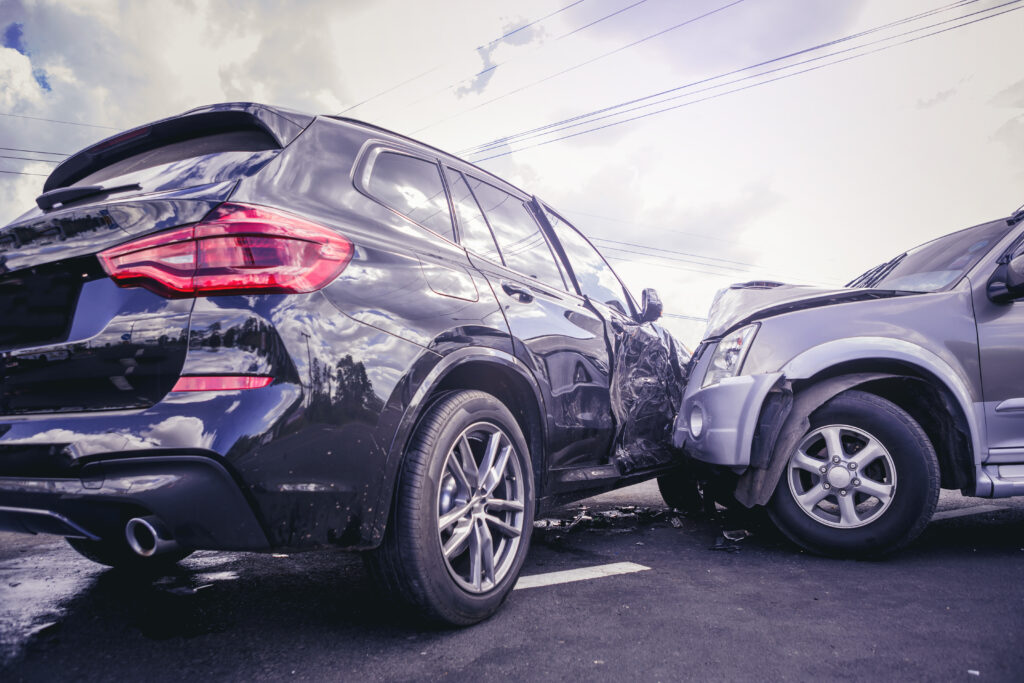
When you’re involved in a rear-end collision in California, understanding fault determination can significantly impact your ability to recover compensation for injuries and damages. In California, the law creates a strong presumption that the following (rear) driver is at fault in rear-end collisions, based on their failure to maintain a safe following distance as required by state law. However, this presumption isn’t absolute, and certain exceptions exist where the front driver may share or bear primary responsibility.
The presumption exists because California Vehicle Code Section 21703 requires all drivers to maintain sufficient distance behind the vehicle ahead to avoid collisions if the front vehicle stops suddenly. When rear-end accidents occur, courts typically assume the rear driver violated this “assured clear distance” rule. Understanding when this presumption applies, what exceptions exist, and how to gather evidence becomes crucial for anyone navigating a rear-end collision claim in California.
Who Is at Fault in California Rear-End Collisions?
California’s approach to rear-end collision fault determination centers on a legal presumption that places responsibility on the following driver. This presumption reflects the fundamental principle that drivers must maintain control of their vehicles and leave adequate space to stop safely.
The Legal Presumption Against Following Drivers
California courts presume the rear driver is negligent in rear-end collisions because they failed to maintain a reasonable following distance. This presumption means the rear driver is considered at fault unless they can provide compelling evidence to overcome this assumption. The presumption exists because rear-end collisions typically result from following too closely, distracted driving, speeding, or failing to pay attention to traffic conditions ahead.
The strength of this presumption varies based on circumstances, but it generally requires the rear driver to prove specific facts that would shift fault to the front driver. Insurance companies rely heavily on this presumption when determining liability, often assigning 100% fault to the rear driver in straightforward rear-end collision cases.
California Vehicle Code Section 21703 Requirements
California Vehicle Code Section 21703 establishes the legal foundation for rear-end collision fault determination. This statute requires drivers to maintain “reasonable and prudent” following distance that allows them to stop safely if the vehicle ahead stops suddenly. The law doesn’t specify exact distances but requires drivers to adjust following distance based on speed, road conditions, weather, and traffic density.
Violating this assured clear distance rule creates a presumption of negligence that courts apply in rear-end collision cases. At Mahdavi, Bacon, Halfhill & Young, APLC, we often see insurance companies immediately assign fault based on this presumption, making it essential for drivers to understand when exceptions might apply to their specific situation.
Exceptions to Rear-End Collision Fault in California
While the presumption strongly favors front drivers, California law recognizes several scenarios where rear drivers may overcome fault presumption or where front drivers may share liability. These exceptions require specific evidence and legal arguments to establish successfully.
Sudden Stop Without Justification
Front drivers who stop suddenly without reasonable justification may bear partial or complete fault for resulting rear-end collisions. This exception applies when drivers stop abruptly for non-emergency reasons, such as stopping to make an illegal turn, stopping for no apparent reason on highways, or stopping to avoid minor road debris that could be safely navigated.
The key factor is whether the stop was reasonable under the circumstances. Emergency stops for pedestrians, animals, or genuine hazards don’t qualify for this exception. However, stopping suddenly to avoid a minor pothole or to pick up a dropped item might create shared liability if the rear driver can prove the stop was unreasonable.
Reverse or Backing Up Scenarios
When front vehicles reverse or back up into following traffic, fault typically shifts to the reversing driver. This situation commonly occurs in parking lots, driveways, or when drivers attempt to back out of traffic situations. The reversing driver has a duty to ensure the path is clear before backing up, making them liable for collisions with vehicles traveling in the normal direction of traffic.
Brake Light Malfunctions
Rear-end collisions caused by non-functioning brake lights may create shared liability between drivers. When brake lights fail to warn following drivers of deceleration, front drivers may bear partial responsibility for the collision. However, proving brake light failure requires immediate documentation and witness testimony, as repair often occurs quickly after accidents.
This exception requires evidence that the brake lights were actually malfunctioning at the time of collision and that the rear driver was maintaining a reasonable following distance despite the equipment failure.
Chain Reaction Accidents
Multi-vehicle chain reaction accidents create complex fault scenarios where middle vehicles may be both victims and at-fault parties. The initial rear-ending driver typically bears primary responsibility, but subsequent impacts may involve shared fault among multiple drivers depending on following distances and reaction times.
How California’s Comparative Negligence Law Affects Rear-End Accidents
California’s pure comparative negligence system allows fault to be distributed among multiple parties, even in rear-end collisions where strong presumptions exist. This system can significantly impact compensation amounts and settlement negotiations.
Percentage of Fault Determination
California courts can assign fault percentages to both drivers based on their respective contributions to the collision. For example, if a front driver stops suddenly without justification but the rear driver was following too closely, fault might be allocated 70% to the rear driver and 30% to the front driver.
Comparative fault percentages depend on factors including following distance, speed differential, road conditions, visibility, and whether either driver violated traffic laws. Even with the presumption against rear drivers, front drivers can still bear partial responsibility for their actions.
Impact on Settlement Amounts
Comparative negligence directly reduces compensation by the percentage of fault assigned. If you’re found 20% at fault for a rear-end collision with $50,000 in damages, your compensation would be reduced to $40,000. Understanding how fault percentages affect settlement amounts becomes crucial during negotiations with insurance companies.
Overcoming the Presumption of Fault as the Rear Driver
Rear drivers facing fault presumption must present compelling evidence and legal arguments to shift responsibility. Success requires immediate evidence collection and strategic legal presentation.
Burden of Proof Requirements
Rear drivers must prove specific facts that demonstrate the front driver’s negligence caused or contributed to the collision. This burden requires more than speculation or unsupported claims. Courts require concrete evidence showing the front driver violated traffic laws, acted unreasonably, or created dangerous conditions that led to the collision.
The burden of proof remains “preponderance of evidence,” meaning rear drivers must show it’s more likely than not that the front driver bears responsibility. This standard requires substantial evidence and often benefits from professional legal representation.
Types of Evidence Needed
Overcoming fault presumption requires comprehensive evidence collection including witness statements confirming sudden stops, traffic camera footage showing unreasonable driving behavior, police reports documenting front driver violations, and expert testimony regarding stopping distances and reaction times.
Physical evidence such as skid marks, vehicle damage patterns, and accident reconstruction analysis can demonstrate whether stops were reasonable and whether following distances were adequate under the circumstances.
Essential Evidence for Rear-End Collision Cases
Successful rear-end collision claims depend on thorough evidence collection immediately following the accident. The quality and comprehensiveness of evidence often determines fault allocation and settlement outcomes.
Police Reports and Traffic Citations
Police reports provide crucial initial fault determinations that insurance companies heavily consider during claim evaluation. Officers document driver statements, witness accounts, traffic violations, and preliminary fault assessments that establish the foundation for insurance investigations.
Traffic citations issued at the scene create strong evidence of negligence, particularly for following too closely violations against rear drivers or illegal turning violations against front drivers. However, citations can be contested, and their absence doesn’t prevent fault claims.
Witness Testimony and Dashcam Footage
Independent witness testimony can provide objective perspectives on driving behavior leading to collisions. Witnesses who observed sudden stops, aggressive driving, or traffic violations offer valuable evidence that supports or contradicts fault presumptions.
Dashcam footage from either vehicle or nearby cars provides the most compelling evidence in rear-end collision cases. Video evidence can definitively show following distances, stopping patterns, and driving behavior that determines fault allocation.
Vehicle Damage Analysis
Professional damage analysis can reveal collision dynamics including impact speeds, angles, and force distribution that support or contradict driver statements. Damage patterns help accident reconstruction experts determine whether collisions resulted from reasonable or excessive following distances.
Damage location and severity also indicate whether drivers had opportunities to avoid collisions through reasonable defensive driving measures or whether collisions were unavoidable despite proper following distances.
Accident Reconstruction Expert Reports
Complex rear-end collision cases often require expert testimony to analyze collision dynamics, stopping distances, and driver reaction times. Accident reconstruction experts use physics calculations, vehicle specifications, and road condition data to determine whether drivers could have avoided collisions with reasonable care.
Expert analysis becomes particularly valuable when challenging fault presumptions or establishing comparative negligence percentages in cases involving multiple contributing factors.
California Rear-End Collision Settlement Factors
Settlement amounts in rear-end collision cases depend on multiple factors including injury severity, fault allocation, insurance coverage limits, and quality of legal representation. Understanding these factors helps accident victims make informed decisions about settlement negotiations.
Average Settlement Ranges by Injury Type
Minor soft tissue injuries in rear-end collisions typically settle between $2,500 and $15,000, depending on medical treatment duration and pain levels. More severe injuries including herniated discs, fractures, or traumatic brain injuries can result in settlements ranging from $25,000 to several hundred thousand dollars.
Settlement amounts reflect medical expenses, lost wages, pain and suffering, and future medical needs rather than arbitrary calculations. Proper medical documentation and consistent treatment records significantly impact settlement negotiations.
Factors That Increase Settlement Value
Several factors can substantially increase rear-end collision settlements including clear fault determination favoring the victim, extensive medical treatment with objective findings, significant lost wages or diminished earning capacity, and strong pain and suffering documentation.
Insurance coverage limits also cap potential settlements, making uninsured/underinsured motorist coverage crucial for adequate compensation. Quality legal representation often increases settlement amounts by properly presenting damages and negotiating with experienced insurance adjusters.
When to Hire a California Rear-End Collision Attorney
While some minor rear-end collisions can be handled without legal representation, certain circumstances make attorney representation essential for protecting your rights and maximizing compensation.
Disputed Fault Scenarios
Any rear-end collision involving disputed fault requires experienced legal representation to overcome presumptions or establish comparative negligence. Insurance companies have attorneys protecting their interests, making professional legal advocacy crucial for fair outcomes.
Disputed fault cases require evidence collection, expert witnesses, and legal arguments that exceed most individuals’ capabilities. Attorney representation becomes essential when insurance companies deny claims or assign unfair fault percentages.
Serious Injury Cases
Rear-end collisions resulting in significant injuries, extended medical treatment, or permanent disabilities require attorney representation to ensure proper compensation. Complex damages including future medical costs, lost earning capacity, and pain and suffering calculations require professional expertise.
At Mahdavi, Bacon, Halfhill & Young, APLC, we understand how rear-end collision injuries can impact every aspect of your life, and we work diligently to ensure insurance companies provide fair compensation for all your damages.
Insurance Company Denial Tactics
Insurance companies often use delay tactics, lowball settlement offers, and fault shifting strategies to minimize payouts in rear-end collision cases. Experienced attorneys recognize these tactics and can effectively counter them through proper legal advocacy and negotiation strategies.
Preventing Rear-End Collisions in California
Understanding fault determination helps drivers implement prevention strategies that reduce rear-end collision risks and potential liability exposure.
Safe Following Distance Guidelines
The “three-second rule” provides a minimum following distance baseline that drivers should increase based on weather, traffic, and road conditions. At highway speeds, greater following distances become necessary to accommodate longer stopping distances and reduced reaction times.
Maintaining adequate following distance not only prevents collisions but also provides legal protection against fault presumptions if rear-end collisions occur despite reasonable precautions.
Defensive Driving Strategies
Defensive driving techniques including scanning ahead for potential hazards, avoiding sudden stops when possible, maintaining consistent speeds, and using turn signals early can prevent many rear-end collisions. Regular vehicle maintenance ensuring proper brake light function also reduces accident risks.
Get Expert Legal Help for Your California Rear-End Collision Case
Navigating California’s rear-end collision fault system requires understanding complex legal presumptions, evidence requirements, and comparative negligence applications. While the law generally favors front drivers, specific circumstances can create shared fault scenarios that significantly impact compensation amounts. Proper evidence collection, legal strategy, and negotiation skills often determine whether accident victims receive fair compensation for their injuries and damages.
If you’ve been involved in a rear-end collision in California, the experienced attorneys at Mahdavi, Bacon, Halfhill & Young, APLC can help protect your rights and pursue maximum compensation. Our team understands California’s fault determination system and has successfully represented clients in complex rear-end collision cases involving disputed fault, serious injuries, and challenging insurance company tactics. Contact us today to schedule your free consultation and learn how we can help with your case.