
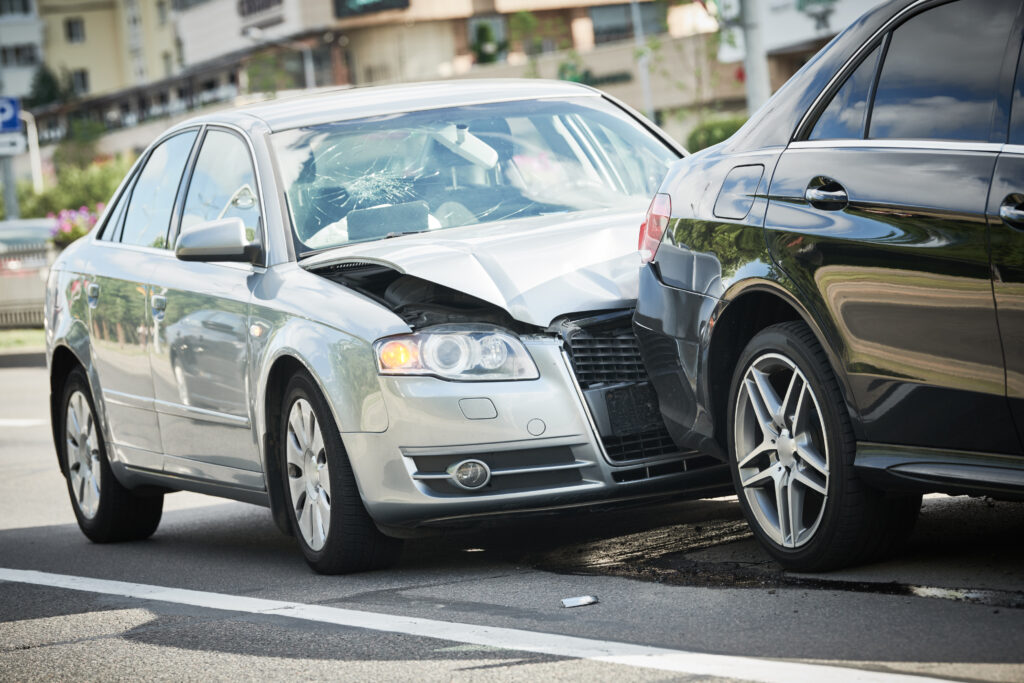
If you’ve been involved in a hit-and-run accident in California, gathering proper evidence is crucial for both criminal prosecution and recovering compensation for your damages. You need physical evidence from the scene, witness statements, surveillance footage, and proper documentation to build a strong case. The success of your claim often depends on actions taken immediately after the accident, as California processes approximately 200,000 hit-and-run cases annually, with only 20% resulting in identification of the fleeing driver due to insufficient evidence collection.
California Vehicle Code sections 20001 and 20002 require drivers to remain at accident scenes and exchange information. When someone flees, you must act quickly to preserve evidence before it’s lost or destroyed. The key is knowing what evidence to collect, how to collect it properly, and understanding California’s specific reporting requirements that can impact your case.
Immediate Actions After a Hit-and-Run Accident in California
Your first moments after a hit-and-run accident are critical for preserving evidence and protecting your legal rights. Acting quickly and systematically can make the difference between recovering compensation and being left with mounting bills.
Call 911 and Secure the Scene
Call 911 immediately, even if you think your injuries are minor. California law requires police reports for all injury accidents, and having an official report strengthens your case significantly. While waiting for police, move your vehicle to safety if possible, but don’t disturb any evidence like vehicle debris or skid marks.
Turn on your hazard lights and set up emergency triangles if you have them. If you’re unable to move due to injuries, stay put and wait for emergency responders. Your safety comes first, but be aware of what’s happening around the scene for evidence collection purposes.
Document Everything While Evidence Is Fresh
Take photos of everything before evidence disappears. Capture your vehicle damage from multiple angles, any debris from the other vehicle, skid marks, traffic signs, and the overall scene layout. These photos become crucial evidence for insurance claims and potential criminal prosecution.
Use your phone’s video feature to record a walkthrough of the scene while describing what happened. This creates a time-stamped record of your immediate recollection, which carries significant weight in legal proceedings. Include close-up shots of paint transfer on your vehicle, as this can help identify the fleeing vehicle’s color and type.
Identify and Interview Witnesses
Witness statements can make or break your hit-and-run case. Approach anyone who saw the accident and ask for their contact information and a brief statement about what they observed. Many witnesses leave quickly, so act fast.
Ask witnesses specific questions: What did the other vehicle look like? Did they see a license plate number, even partially? Which direction did the vehicle go? What was the driver’s approximate age, gender, or other identifying features? Record their statements on your phone if they consent, as this preserves their exact words.
What Evidence Is Needed to Prove a Hit-and-Run in California?
Building a successful hit-and-run case requires multiple types of evidence that work together to identify the fleeing driver and prove liability. Understanding what evidence prosecutors and insurance companies need helps you collect the right information at the scene.
Physical Evidence From the Scene
Physical evidence serves as the cornerstone of most hit-and-run prosecutions. Vehicle debris, paint chips, and broken glass can provide DNA evidence or help identify the specific make and model of the fleeing vehicle. Collect any pieces of the other vehicle using gloves or a cloth to preserve potential fingerprints.
Skid marks and tire impressions tell the story of how the accident occurred. Measure and photograph these marks before traffic or weather conditions erase them. Note the length, width, and pattern of skid marks, as accident reconstruction experts can use this information to determine vehicle speed and impact dynamics.
Document the exact location where debris landed, as this helps establish the point of impact and direction of travel. Even small paint chips can be analyzed in crime labs to determine the exact color, make, and model year of the fleeing vehicle.
Vehicle Damage and Paint Transfer Analysis
Your vehicle damage provides crucial evidence about the other vehicle involved. Paint transfer occurs when vehicles collide, leaving traces of the other vehicle’s paint on yours. This evidence can be analyzed to determine the exact color and type of paint used by specific manufacturers.
Take detailed photos of all damage, including scratches that might contain paint transfer. At The Seigel Law Group, we recommend having your vehicle examined by a qualified accident reconstruction expert before making any repairs, as the damage pattern tells the story of how the collision occurred.
Height and angle of damage can indicate whether you were hit by a car, truck, or SUV. The shape and pattern of dents can sometimes match specific vehicle parts, helping narrow down the type of vehicle that fled the scene.
Digital Evidence and Surveillance Footage
Modern technology provides powerful tools for identifying hit-and-run drivers. Traffic cameras, business security cameras, and residential doorbell cameras often capture accidents or fleeing vehicles. Act quickly to identify and request this footage, as many systems automatically delete recordings after 30-90 days.
Create a map of the accident area and mark every business, residence, or traffic camera within several blocks. Contact property owners immediately to request footage, as they’re more likely to cooperate before receiving legal demands. Many businesses willingly provide footage when approached politely and promptly.
Don’t forget about red-light cameras and automated license plate readers that might have captured the fleeing vehicle. Law enforcement agencies can access this information, but having your attorney request it quickly prevents automatic deletion.
How California Police Investigate Hit-and-Run Accidents
Understanding the police investigation process helps you provide better assistance and know what to expect during your case. California law enforcement agencies have specific protocols for hit-and-run investigations that prioritize certain types of evidence.
Scene Investigation and Evidence Collection
Police investigators photograph the scene, measure skid marks, and collect physical evidence like vehicle debris and paint chips. They create detailed accident reports that include witness statements, measurements, and their professional assessment of how the accident occurred.
Officers look for surveillance cameras in the area and may issue preservation letters to businesses requiring them to save footage for criminal investigations. They also check with nearby businesses and residents who might have witnessed the accident or seen the fleeing vehicle.
The quality of the police investigation often depends on the severity of injuries and available evidence. Injury accidents receive priority over property-damage-only cases, so emphasize any physical discomfort or pain you’re experiencing to responding officers.
Witness Interviews and Statements
Police conduct formal interviews with all available witnesses, recording their statements for potential use in criminal proceedings. These official statements carry more weight than informal witness accounts you might collect yourself.
Officers ask witnesses to provide detailed descriptions of the fleeing vehicle, including make, model, color, license plate information, and direction of travel. They also gather information about the driver’s appearance and behavior before and after the accident.
If witnesses aren’t available when police arrive, provide their contact information so officers can follow up later. Sometimes witnesses remember additional details after the initial shock of witnessing an accident wears off.
Vehicle Identification and Tracking Methods
Police use various databases to identify potential suspect vehicles based on witness descriptions and physical evidence. They search for vehicles with similar damage at body shops, auto parts stores, and insurance claim databases.
Modern investigations include checking automated license plate reader databases that track vehicle movements throughout the state. These systems can identify vehicles that were in the area around the time of your accident.
Officers also issue BOLO (Be On the Lookout) alerts to other law enforcement agencies, increasing the chances of locating the suspect vehicle. The more detailed information you provide about the fleeing vehicle, the more effective these alerts become.
California Hit-and-Run Reporting Requirements
California has specific deadlines for reporting hit-and-run accidents that can affect your ability to recover compensation. Missing these deadlines can complicate your case and potentially void your insurance coverage.
24-Hour Police Reporting Rule
California Vehicle Code requires you to report injury accidents to police within 24 hours, even if officers didn’t respond to the scene initially. For property damage exceeding $1,500, you must file a police report immediately or as soon as reasonably possible.
You can file reports online, by phone, or in person at any police station. Include all available information about the fleeing vehicle and provide copies of photos and witness contact information. The more detailed your report, the better chance police have of solving your case.
Late reporting doesn’t disqualify your case, but it can raise questions about the severity of the accident and your credibility. Always report as soon as possible after ensuring you’ve received necessary medical attention.
10-Day DMV Reporting Requirement
California requires drivers involved in accidents to file Form SR-1 with the Department of Motor Vehicles within 10 days when damage exceeds $1,500 or anyone is injured. This requirement applies even when the other driver fled the scene.
Form SR-1 provides official documentation of the accident for insurance and legal purposes. Include all known information about the fleeing vehicle and attach copies of photos and witness statements. The DMV uses this information to track accident patterns and assist in investigations.
Failing to file Form SR-1 can result in license suspension, regardless of fault in the accident. This administrative requirement is separate from criminal charges against the fleeing driver, so you must comply even if you weren’t at fault.
Insurance Notification Timeline
Contact your insurance company immediately after a hit-and-run accident, ideally within 24 hours. Most policies require “prompt notification” of claims, and delays can complicate your coverage or claim processing.
Provide your insurer with all evidence you’ve collected, including photos, witness statements, and police report numbers. Your insurance company will conduct its own investigation parallel to the police investigation, often with better resources for locating surveillance footage and witness follow-up.
Document all communications with your insurance company, including claim numbers, adjuster names, and conversation summaries. This information becomes important if disputes arise about coverage or claim settlements.
Criminal Charges and Penalties for Hit-and-Run in California
Understanding California’s hit-and-run penalties helps you appreciate the seriousness of these cases and what consequences the fleeing driver faces if caught. These penalties can also affect your civil case for damages.
Misdemeanor vs Felony Charges
California Vehicle Code 20002 covers hit-and-run with property damage only, charged as a misdemeanor punishable by up to 6 months in jail and $1,000 in fines. However, if anyone suffered injury or death, prosecutors charge Vehicle Code 20001 as a felony carrying 2-4 years in prison and $1,000-$10,000 in fines.
The distinction between misdemeanor and felony charges often depends on the extent of injuries and whether the driver knew someone was hurt. Even minor injuries can elevate charges to felony level, making evidence of your injuries important for both criminal prosecution and civil recovery.
Prosecutors also consider factors like the driver’s blood alcohol level, previous convictions, and whether they took steps to help victims before fleeing. These factors can increase penalties and strengthen your civil case for punitive damages.
Vehicle Code 20001 and 20002 Penalties
Beyond jail time and fines, hit-and-run convictions carry additional consequences that affect the driver’s ability to pay your damages. License suspension periods range from 6 months to 3 years, depending on the severity of charges and prior convictions.
Courts often order restitution to victims covering medical expenses, vehicle repairs, and other damages. This restitution order becomes a civil judgment you can enforce through wage garnishment and asset seizure if the driver doesn’t pay voluntarily.
Some cases include additional charges like vehicular manslaughter if someone died, or driving under the influence if alcohol or drugs were involved. These additional charges increase potential penalties and your chances of meaningful financial recovery.
Additional Consequences Beyond Criminal Court
Hit-and-run convictions affect insurance rates, employment opportunities, and professional licenses. Drivers may face civil lawsuits seeking punitive damages beyond actual losses, especially in cases involving injuries or death.
The California Department of Motor Vehicles adds points to driving records for hit-and-run convictions, and repeat offenders face increasingly severe penalties. These administrative consequences continue long after criminal penalties are completed.
Professional drivers may lose commercial licenses, and some professions require disclosure of criminal convictions. These long-term consequences provide additional motivation for hit-and-run drivers to settle civil cases quickly and quietly.
Insurance Claims for Hit-and-Run Victims in California
Your insurance coverage provides the primary source of compensation when hit-and-run drivers aren’t caught or lack sufficient assets to pay damages. Understanding your coverage options helps maximize your recovery and avoid common claim mistakes.
Uninsured Motorist Coverage Benefits
California requires insurance companies to offer uninsured motorist coverage, though drivers can decline it in writing. This coverage treats hit-and-run drivers as uninsured motorists, providing compensation for injuries when the at-fault driver can’t be identified or located.
Standard California uninsured motorist coverage provides $30,000 per person and $60,000 per accident for bodily injury, plus $15,000 for property damage. However, you can purchase higher limits that provide better protection against serious injuries and significant vehicle damage.
Uninsured motorist claims follow the same process as regular insurance claims, requiring proof of the other driver’s fault and documentation of your damages. Your insurance company may still try to minimize payments, making legal representation valuable even when claiming against your own policy.
Filing Your Hit-and-Run Insurance Claim
Start your insurance claim immediately after reporting the accident to police. Provide your insurer with all evidence you’ve collected, including photos, witness statements, police report numbers, and medical documentation for any injuries.
Your insurance company will assign an adjuster to investigate your claim and determine coverage amounts. Cooperate fully with their investigation, but remember that adjusters work for the insurance company and may try to minimize your claim value.
Keep detailed records of all accident-related expenses, including medical bills, vehicle storage and rental costs, and lost wages from missing work. These documented expenses form the basis of your claim settlement and help ensure you receive fair compensation.
Medical Expenses and Property Damage Recovery
Document all medical treatment thoroughly, even for seemingly minor injuries that develop symptoms days after the accident. Insurance companies often dispute medical claims that aren’t well-documented or seem unrelated to the accident.
Get multiple estimates for vehicle repairs and don’t accept the first settlement offer without careful consideration. Insurance companies often use preferred shops that may cut corners to keep costs low, but you have the right to choose your repair facility.
At The Seigel Law Group, we recommend having independent appraisals done for both vehicle damage and injury claims. Insurance company estimates often undervalue damages, and independent experts can provide the documentation needed to maximize your recovery.
Building a Strong Hit-and-Run Case in California
Successfully resolving a hit-and-run case requires strategic planning and professional assistance. Whether you’re seeking criminal justice, insurance compensation, or civil damages, building a strong case improves all your outcomes.
Working With Law Enforcement
Maintain regular contact with the investigating officer assigned to your case. Police departments handle hundreds of cases simultaneously, and staying involved helps keep your case active and prioritized for follow-up investigation.
Provide any additional information you discover after filing the initial report. Sometimes witnesses come forward days later, or you might remember additional details about the fleeing vehicle. This information can be crucial for solving your case.
Ask about victim notification programs that alert you when arrests are made or charges are filed. Staying informed about the criminal case helps you coordinate with civil proceedings and maximize your chances of recovery.
When to Hire a Personal Injury Attorney
Consider hiring an attorney if you suffered injuries, significant property damage, or if insurance companies are disputing your claim. Legal representation becomes especially important when dealing with uninsured motorist claims, as insurance companies often treat these claims differently than regular third-party claims.
An experienced hit-and-run attorney can help locate additional evidence, interview witnesses more thoroughly, and coordinate with law enforcement investigations. They also understand how to maximize recovery from multiple insurance sources and pursue civil claims when suspects are identified.
Early legal consultation helps preserve evidence and avoid mistakes that could compromise your case. Many attorneys offer free consultations for hit-and-run cases and work on contingency fee arrangements that don’t require upfront payments.
Statute of Limitations and Legal Deadlines
California’s statute of limitations for personal injury claims is two years from the date of the accident, but earlier claim submission results in faster insurance payment processing. Property damage claims must be filed within three years, though insurance deadlines are much shorter.
Some procedural deadlines can affect your case before the statute of limitations expires. For example, government entity claims require special notice procedures within six months if your accident involved a government vehicle or occurred on government property.
Missing legal deadlines can permanently bar your claims, making early legal consultation important for protecting your rights. An attorney can identify all applicable deadlines and ensure compliance with procedural requirements that might not be obvious to accident victims.
Contact The Seigel Law Group for Expert Hit-and-Run Legal Assistance
Gathering evidence and navigating the complex legal process after a hit-and-run accident requires immediate action and experienced guidance. The steps you take in the first hours and days after your accident can determine whether you receive fair compensation for your injuries and damages.
At The Seigel Law Group, we understand the urgency of hit-and-run cases and the importance of preserving evidence before it disappears. Our experienced California personal injury attorneys have successfully handled hundreds of hit-and-run cases throughout Los Angeles, San Diego, the Bay Area, and surrounding regions. We work closely with accident reconstruction experts, private investigators, and law enforcement to build the strongest possible case for our clients, whether pursuing insurance claims or civil litigation against identified suspects.
Don’t let a hit-and-run driver escape responsibility for your injuries and damages. Contact us for a free consultation about your hit-and-run case, or fill out our online contact form to speak with an experienced attorney who can protect your rights and maximize your recovery.