
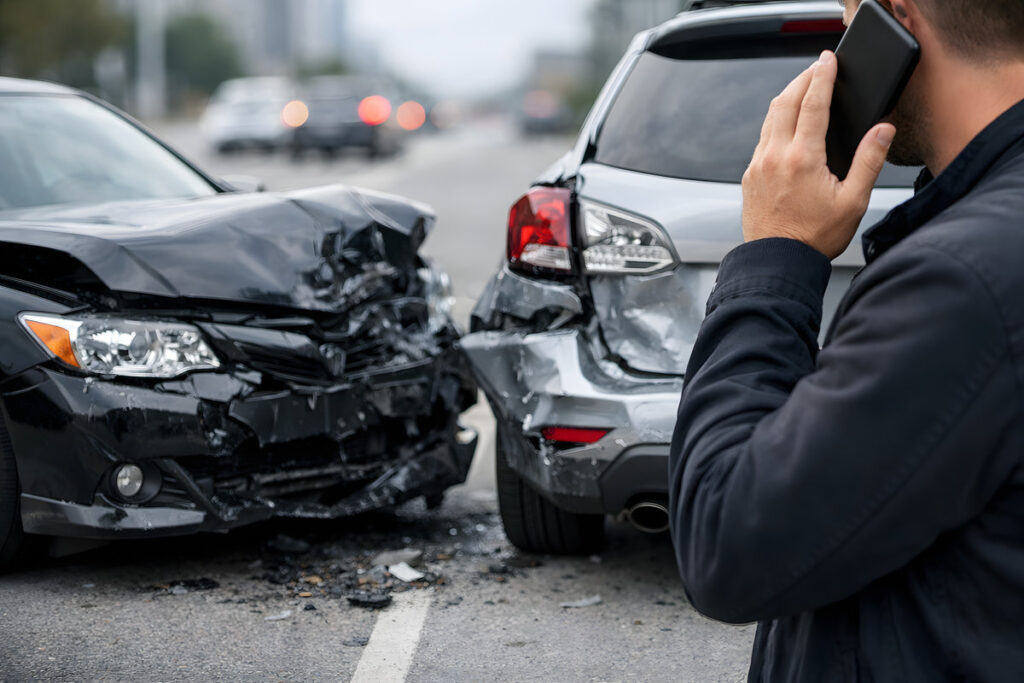
Getting a police report after a car accident in California is crucial for your insurance claim and potential legal case. A California police report car accident document serves as an official record of the incident, containing the responding officer’s observations, witness statements, and preliminary fault determination. However, it’s important to understand that while police reports carry significant weight with insurance companies, they are evidence—not definitive proof—of who caused the accident.
California law requires police reports for accidents involving injury, death, or property damage over $1,000. You can obtain your report through the investigating agency (California Highway Patrol for freeways, local police for city streets) within 10-14 days of the incident. The standard fee is typically around $26, and reports can be requested online, by mail, or in person.
Understanding how to obtain, interpret, and potentially challenge your police report is essential for protecting your rights and maximizing your claim outcome.
What Is a California Police Report for Car Accidents?
A California traffic collision report is an official document prepared by law enforcement officers who respond to vehicle accidents. These reports serve as the foundation for insurance investigations and legal proceedings, though they represent the officer’s assessment rather than a legal determination of fault.
How California Traffic Collision Reports Work
Police officers typically arrive at accident scenes after the collision has occurred. They gather information from drivers, passengers, witnesses, and physical evidence to reconstruct what happened. The officer documents this information on standardized forms, most commonly the CHP-555 form for California Highway Patrol incidents.
At our firm, we regularly review these reports and find that while officers are trained in accident investigation, they weren’t present during the actual collision. Their conclusions are based on post-accident evidence and statements, which means errors and incorrect fault determinations can occur.
What Information Police Reports Contain
California police reports include comprehensive details about the accident, parties involved, and the officer’s analysis of what occurred.
Officer’s Narrative and Observations
The narrative section contains the officer’s description of the accident scene, vehicle positions, road conditions, and weather. This section often includes the officer’s opinion about the primary collision factor—essentially their determination of what caused the accident.
Parties’ Information and Witness Statements
Reports document all drivers’ and passengers’ personal information, insurance details, and vehicle descriptions. Witness statements are recorded, though these may be summarized rather than quoted verbatim. Contact information for witnesses is typically included.
Traffic Citations and Primary Collision Factor
If the officer determines a traffic violation contributed to the accident, citations may be issued. The report will identify the “primary collision factor”—the officer’s opinion of the main cause. This determination significantly influences insurance companies’ liability decisions, though it’s not legally binding in civil court.
How to Obtain Your California Car Accident Police Report
The process for obtaining your police report depends on which agency investigated your accident. California’s jurisdictional divisions mean different procedures apply based on where your accident occurred.
CHP vs Local Police Department Reports
Understanding which agency has jurisdiction over your accident location determines where you’ll request your report.
Highway and Freeway Accidents (CHP Jurisdiction)
The California Highway Patrol handles accidents on state highways, freeways, and some county roads. For CHP reports, you’ll request through their online system or local CHP office. The CHP maintains a centralized database, making online requests the most efficient option.
City Street Accidents (Local Police)
Local police departments investigate accidents within city limits on municipal streets. Each department has its own request procedures, though many now offer online portals. Contact the specific police department that responded to your accident.
Online Police Report Request Process
Most California agencies now provide online police report ordering systems. You’ll need your report number (if available), accident date, location, and parties’ names. Payment is typically required upfront via credit card, and reports are delivered electronically or by mail.
In-Person and Mail Request Options
For agencies without online systems, visit the records division or mail your request with required information and payment. In-person requests often provide same-day service, while mail requests may take additional processing time.
California Police Report Fees and Processing Times
Understanding costs and timelines helps you plan for obtaining your report promptly.
Standard Report Costs by Agency
California police departments typically charge $26 for accident reports, though fees may vary by agency. Some departments charge additional fees for expedited processing or certified copies. The CHP maintains consistent statewide pricing for their reports.
How Long Does It Take to Get Your Report?
Most agencies require 10-14 business days to complete reports after the accident. Simple accidents may be available sooner, while complex investigations involving serious injuries or fatalities can take weeks or months. Contact the investigating agency if you need your report urgently for insurance purposes.
Understanding Your Police Report’s Legal Role in California
Many people misunderstand how police reports function legally. While influential, they have important limitations in California courts.
Police Reports Are Evidence, Not Proof of Fault
Police reports constitute evidence that courts and insurance companies consider, but they don’t definitively establish legal fault. California follows comparative negligence laws, meaning fault percentages can be adjusted based on all available evidence, not just the police report’s conclusions.
The officer’s fault determination influences settlement negotiations significantly, but it’s not binding on judges or juries. Other evidence—witness testimony, expert accident reconstruction, physical evidence—can contradict and overcome adverse police report findings.
California Evidence Code and Report Admissibility
Understanding admissibility rules helps explain why police reports’ legal impact varies between settlement negotiations and trials.
Business Records Exception Limitations
Under California Evidence Code Section 1280, police reports may qualify as business records, but this exception has limitations. Statements made by accident participants recorded in the report are often considered inadmissible hearsay, while the officer’s direct observations typically are admissible.
Officer Testimony vs Written Report
Officers can testify about their observations, measurements, and professional opinions at trial. This testimony is often more powerful than the written report because attorneys can question the officer’s methodology and conclusions directly.
How Insurance Companies Use Police Reports
Insurance adjusters heavily rely on police reports for liability determinations. An adverse fault finding can result in claim denials or significantly reduced settlement offers. Conversely, favorable police reports strengthen your negotiating position considerably.
Common Problems and Errors in California Police Reports
Police reports aren’t infallible. Understanding common errors helps you identify problems that could harm your claim.
Typical Mistakes Found in Accident Reports
Incorrect Fault Determinations
Officers sometimes reach wrong conclusions about causation, especially in complex intersections or multi-vehicle accidents. Limited investigation time and conflicting witness statements can lead to incorrect primary collision factor determinations.
Wrong Party Information and Diagrams
Name misspellings, incorrect insurance information, and inaccurate accident diagrams occur frequently. These errors can delay insurance processing and create confusion about the accident sequence.
Why Police Report Errors Happen
Officers often handle multiple calls per shift and may spend limited time at accident scenes. Without witnessing the actual collision, they rely on potentially biased or confused statements from stressed accident participants. Time pressures and incomplete investigations contribute to mistakes.
How to Challenge or Correct California Police Report Errors
Don’t accept incorrect police reports passively. California provides mechanisms for corrections, though success isn’t guaranteed.
Written Correction Request Process
Contact the investigating agency’s records division within 30 days of receiving your report. Provide specific error descriptions and supporting documentation. Some agencies allow minor corrections (misspelled names, wrong addresses) while refusing to change fault determinations.
Supplemental Investigation Requests
For significant errors affecting fault determination, request supplemental investigations. Provide new evidence—additional witness statements, photographs, or expert opinions—that wasn’t available during the initial investigation.
When to Hire an Attorney for Report Challenges
If police reports contain adverse fault findings that could significantly impact your claim, consult a California personal injury attorney immediately. Attorneys can conduct independent investigations, gather additional evidence, and prepare strategies to overcome unfavorable reports at trial.
Police Reports in California Insurance Claims and Lawsuits
Police reports function differently in settlement negotiations versus courtroom proceedings.
Impact on Insurance Settlement Negotiations
Insurance companies treat police reports as highly influential evidence during claim investigations. Adjusters often base initial settlement offers primarily on police report fault determinations. Favorable reports can expedite settlements, while adverse reports may require extensive negotiation or litigation.
Using Police Reports as Trial Evidence
Overcoming Adverse Police Reports at Trial
Unfavorable police reports aren’t insurmountable. Skilled attorneys can challenge report conclusions through witness testimony, expert accident reconstruction, and physical evidence. The officer’s investigation methodology, timeline, and available information can be questioned during depositions and trial testimony.
Supporting Favorable Reports with Additional Evidence
Even favorable police reports benefit from corroborating evidence. Witness statements, traffic camera footage, cell phone records, and expert testimony can strengthen your case and increase settlement values.
Traffic Citations and Civil Liability Connection
Traffic citations issued at accident scenes create presumptions of negligence but aren’t conclusive proof in civil cases. Contesting tickets in traffic court can benefit your civil claim, while simply paying fines may be interpreted as admissions of fault.
Get Professional Help with Your California Car Accident Police Report
Understanding police reports and their legal implications is crucial for protecting your rights after a California car accident. While these reports carry significant weight in insurance negotiations, they’re not the final word on fault determination. Errors can be challenged, and adverse findings can be overcome with proper legal strategy.
If you’ve received an unfavorable police report or have questions about how your report might affect your claim, don’t navigate this complex process alone. At our California personal injury law firm, we have extensive experience analyzing police reports, identifying errors, and developing strategies to maximize our clients’ compensation. We understand how insurance companies use these reports and know how to build compelling cases that overcome adverse findings. Contact us today at +1 1184 4457 44 or through our online consultation form to discuss your case and learn how we can help protect your interests.