
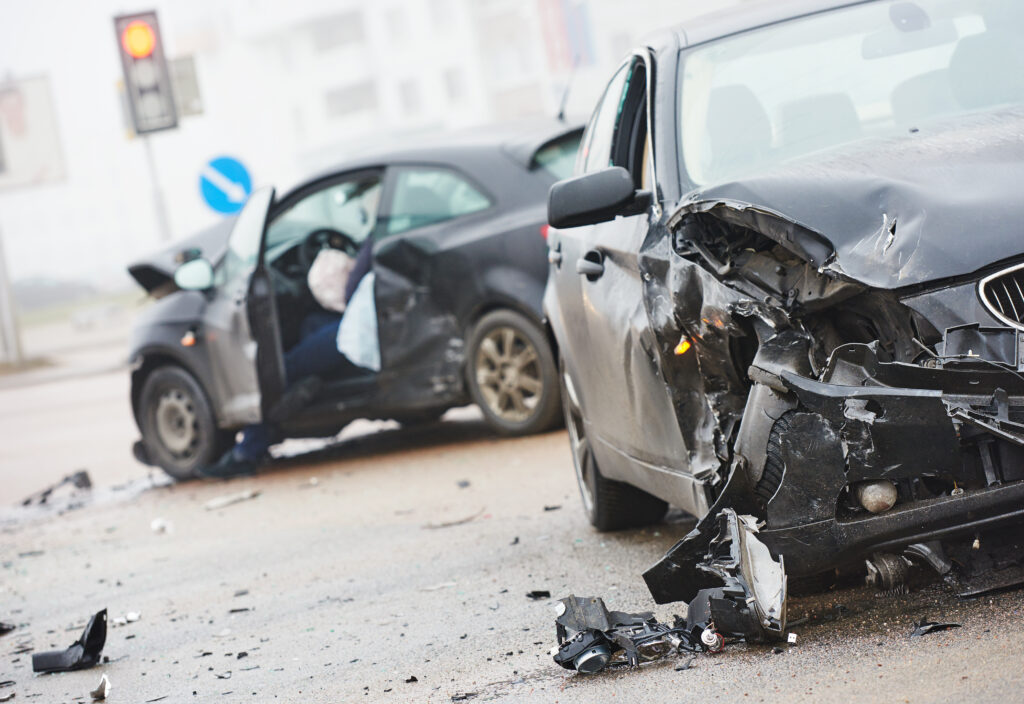
Have you been injured in an accident caused by a distracted driver in California? You’re not alone—distracted driving accidents have become an epidemic on California roads, with thousands of preventable crashes occurring every year. The good news is that California has some of the strictest distracted driving laws in the nation, and these laws create strong legal protections for accident victims.
California distracted driving accident claims can result in significant compensation when the at-fault driver violated Vehicle Code sections like the handheld phone ban (VC §23123) or texting prohibition (VC §23123.5). These violations create what’s called “negligence per se”—meaning the driver is automatically considered negligent if their code violation caused your accident. Understanding these laws and how to prove distraction is crucial for maximizing your claim value.
Whether the other driver was texting, talking on a handheld phone, or distracted by other activities, you have the right to pursue full compensation for your injuries, lost wages, and pain and suffering. At our California personal injury firm, we’ve seen how devastating these preventable accidents can be—and how proper legal representation can make all the difference in obtaining the justice you deserve.
This comprehensive guide will walk you through everything you need to know about pursuing a distracted driving accident claim in California, from understanding the specific laws to gathering evidence and dealing with insurance companies who try to minimize your rightful compensation.
California Distracted Driving Laws and Vehicle Code Violations
California has implemented comprehensive distracted driving laws that make it illegal to use handheld wireless devices while operating a vehicle. These laws, found in Vehicle Code sections 23123 through 23125, create clear standards for driver behavior and provide strong legal foundations for accident claims when violations occur.
Understanding these specific laws is essential because violating them doesn’t just result in traffic citations—it also establishes automatic legal liability in accident cases through California’s “negligence per se” doctrine. This means that if a driver violates these safety statutes and causes an accident, they’re presumed to be at fault.
Vehicle Code Section 23123: Handheld Phone Prohibition
Vehicle Code Section 23123, which took effect in July 2008, prohibits drivers from using handheld wireless phones while operating a motor vehicle. This means you cannot hold a phone to your ear while driving, even if you’re stopped at a red light or in traffic.
The law requires hands-free device use for phone conversations. You can use speaker phone, Bluetooth headsets, or voice-activated systems, but the phone must be mounted on the dashboard or windshield in a specific location that doesn’t obstruct your view. Even touching your phone while it’s mounted is limited to a single swipe or tap to activate or deactivate a feature.
Penalties for violations include:
- First offense: $20 base fine (actual cost with assessments: approximately $75)
- Subsequent offenses: $50 base fine (actual cost with assessments: approximately $150)
- Points may be added to your driving record for repeat violations
Vehicle Code Section 23123.5: Texting and Electronic Communication Ban
Effective January 1, 2009, Vehicle Code Section 23123.5 specifically prohibits writing, sending, or reading text-based communications while driving. This includes text messages, emails, instant messages, and social media posts.
The law covers any manual text input while your vehicle is in motion. Reading text messages at a stoplight still constitutes a violation. The prohibition extends to scrolling through social media, reading emails, or using any app that requires looking at the screen and manual input.
Many drivers don’t realize that even glancing down at a phone in your lap to read a notification violates this statute. The law is designed to eliminate visual and manual distractions that take your attention away from the roadway.
Special Restrictions for Drivers Under 18
California takes an even stricter approach with minor drivers under Vehicle Code Section 23124. Drivers under 18 cannot use ANY wireless device while driving—not even hands-free devices. This complete prohibition recognizes that inexperienced drivers need to focus entirely on developing their driving skills.
The only exception is for emergency calls to 911 or emergency services. Otherwise, teen drivers must completely avoid phone use while behind the wheel. Violations can affect their graduated licensing privileges and delay their ability to obtain full driving privileges.
This zero-tolerance policy for minors creates particularly strong liability in accident cases involving teen drivers who were using phones at the time of collision.
How Distracted Driving Creates Legal Liability in California
When a driver violates California’s distracted driving laws and causes an accident, they face both criminal penalties and civil liability. Understanding how these violations establish fault is crucial for building a strong accident claim.
The legal concept that makes distracted driving cases so powerful is called “negligence per se.” This doctrine holds that when someone violates a safety statute designed to protect others, and that violation causes harm, the person is automatically considered negligent. You don’t have to prove they were careless—the law violation itself proves negligence.
Negligence Per Se: Automatic Fault for Code Violations
California jury instruction CACI 418 explains negligence per se to juries: if a defendant violated a statute designed to protect against the type of harm that occurred, and the violation was a substantial factor in causing the harm, then the defendant is presumed negligent.
For distracted driving cases, this means that if the other driver was texting in violation of VC 23123.5 when they rear-ended you, their violation automatically establishes negligence. The insurance company can’t argue that texting while driving was reasonable behavior—the law has already determined it’s negligent.
This presumption significantly strengthens your case compared to accidents where fault must be proven through other evidence. Instead of debating whether the driver was acting reasonably, the focus shifts to proving the violation occurred and caused your injuries.
Types of Driver Distractions Beyond Cell Phones
While California’s Vehicle Code addresses phone-related distractions, drivers can be liable for other forms of distraction as well. Courts recognize three categories of distraction:
Visual distractions take your eyes off the road—like looking at GPS devices, reading paperwork, or watching passengers. Manual distractions require taking your hands off the wheel—such as eating, drinking, adjusting controls, or reaching for objects. Cognitive distractions occur when your mind focuses on something other than driving—like intense conversations, daydreaming, or emotional situations.
Even without specific Vehicle Code violations, these distractions can establish negligence if they cause accidents. For example, a driver spilling hot coffee and swerving into your lane could be liable for negligent driving, even though no statute specifically prohibits drinking coffee while driving.
Proving Distracted Driving in Your California Accident Case
Successfully proving distracted driving requires gathering multiple types of evidence quickly after an accident occurs. The sooner you begin collecting this evidence, the stronger your case will be. Some evidence can disappear within days or weeks if not properly preserved.
The key is building a comprehensive picture that shows the other driver was distracted at the time of collision. This often involves combining technological evidence, witness testimony, and circumstantial evidence to create a compelling case.
Cell Phone Records and Electronic Evidence
Modern smartphones and wireless carriers maintain detailed records of phone activity that can prove distraction at the time of an accident. These records are often the most powerful evidence in distracted driving cases because they provide precise timestamps and undeniable proof of phone use.
How to Subpoena Phone Records for Your Case
Obtaining cell phone records requires following specific legal procedures in California. You cannot simply request these records directly from phone companies—they’re protected by privacy laws and require formal legal discovery processes.
The subpoena process typically involves your attorney serving the wireless carrier with a court-authorized demand for records. The subpoena must specify the exact time frame needed (usually the hour before and after the accident) and the types of records requested. Carriers maintain different types of data for different time periods:
- Call detail records show incoming and outgoing calls with precise timestamps
- Text message logs reveal when messages were sent and received (but not content)
- Data usage records show when apps were accessed and how much data was used
- Location data can sometimes show phone movement patterns
Privacy laws require proper notice to the phone owner, and they have the right to object to the subpoena. However, courts generally allow these records in accident cases when there’s reasonable suspicion of distracted driving.
Social Media and App Usage as Evidence
Beyond traditional phone records, social media activity can provide compelling evidence of distraction. Posts, photos, or check-ins timestamped near the accident time can prove the driver was using their phone inappropriately.
App usage data is particularly valuable because it shows exactly when someone was actively using their device. GPS tracking apps, social media apps, and messaging platforms all create digital footprints that can be subpoenaed. Some apps even timestamp when photos were taken or when users were actively scrolling through feeds.
Witness Testimony and Crash Scene Evidence
While electronic evidence is powerful, witness testimony often provides the human element that makes distracted driving real to juries. Witnesses who saw the other driver looking down at their phone, holding a device to their ear, or typing on a screen provide credible firsthand accounts.
Police officers who respond to accidents are trained to look for signs of distraction. They may note if a phone was found near the driver, if the driver made admissions about phone use, or if passengers mentioned the driver was distracted. These observations become part of the official police report and carry significant weight in legal proceedings.
Surveillance cameras from nearby businesses, traffic cameras, or dashboard cameras from other vehicles can sometimes capture the moment of impact and show driver behavior immediately before the collision.
Vehicle Technology and Black Box Data
Modern vehicles contain Event Data Recorders (EDRs) that capture detailed information about the seconds before a collision. This “black box” data can reveal whether a driver braked, how fast they were traveling, and whether they made steering inputs that suggest awareness of an impending collision.
In distracted driving cases, EDR data often shows that drivers never braked or took evasive action before impact—suggesting they never saw the danger because they were looking at their phones instead of the road. This data must be downloaded quickly after an accident because some systems only retain information for short periods.
How Distracted Driving Affects Your Accident Case Value
Proving distracted driving doesn’t just establish fault—it significantly increases the value of your case. Insurance companies and juries view distracted driving as particularly egregious because these accidents are entirely preventable. When someone chooses to text or talk on the phone instead of focusing on driving, they’re making a conscious decision that puts everyone else at risk.
This perception of recklessness often leads to higher settlement offers from insurance companies who want to avoid trial, where juries might award even more substantial damages. The clear evidence of wrongdoing also makes it harder for defendants to dispute liability, leading to faster resolutions.
Increased Damages for Preventable Accidents
Juries consistently award higher damages in cases involving distracted driving compared to other types of motor vehicle accidents. The preventable nature of these crashes generates sympathy for victims and anger toward defendants who chose convenience over safety.
Studies show that settlement amounts in distracted driving cases average 20-30% higher than similar accidents without clear evidence of driver distraction. This increase reflects both the strength of liability evidence and the emotional impact these cases have on juries who understand how easily the accident could have been prevented.
Insurance companies recognize this trend and often make more generous settlement offers in distracted driving cases to avoid the risk of facing an angry jury who might award punitive damages.
Punitive Damages in Extreme Cases
California law allows punitive damages when a defendant’s conduct was particularly reckless or malicious. While not available in every distracted driving case, situations involving repeated phone use, texting while speeding, or driving distractedly with passengers (especially children) in the vehicle can support punitive damage claims.
Punitive damages are designed to punish wrongdoers and deter similar behavior. In distracted driving cases, they send a clear message that choosing to use a phone while driving will have serious financial consequences beyond just compensating the victim.
Dealing with Insurance Companies in Distracted Driving Claims
Insurance companies often fight distracted driving claims aggressively, despite clear evidence of violations. They know these cases have high settlement values, so they employ various tactics to minimize payments or deny claims entirely. Understanding these tactics helps you protect your rights and maximize your compensation.
At our firm, we’ve seen insurance adjusters argue that phone use occurred after an accident (not before), that brief glances at phones don’t constitute distraction, or that other factors caused the collision. Preparing for these arguments with strong evidence is essential.
Common Insurance Company Defenses and Tactics
Insurance companies frequently argue that correlation doesn’t equal causation—meaning that even if their insured was using a phone, it didn’t cause the accident. They might claim the driver looked at their phone after collision occurred, or that they were stopped in traffic when phone use happened.
Another common tactic involves arguing that the phone activity was brief and didn’t constitute dangerous distraction. Adjusters might claim that a quick glance at a mounted GPS device or a brief conversation using hands-free technology was reasonable and safe.
Some insurance companies conduct extensive investigations to find evidence that the accident victim was also distracted, setting up comparative negligence defenses to reduce their liability percentage.
Comparative Negligence When Both Drivers Were Distracted
California follows a pure comparative negligence system, meaning you can recover damages even if you were partially at fault for an accident. If both drivers were distracted, the court determines each party’s percentage of fault and reduces damages accordingly.
For example, if the other driver was texting (making them 80% at fault) but you were also briefly looking at your GPS (making you 20% at fault), you would recover 80% of your total damages. The key is proving that the other driver’s distraction was more significant or more dangerous than yours.
This system makes it crucial to gather evidence not just proving the other driver was distracted, but also showing that your actions (if any) were less negligent or didn’t contribute substantially to the collision.
When to Hire a California Distracted Driving Accident Lawyer
Distracted driving cases involve complex evidence gathering, technical legal procedures, and sophisticated insurance company defenses. While not every fender-bender requires an attorney, distracted driving cases often benefit from professional legal representation, especially when significant injuries or disputed liability are involved.
Signs that you should consult with a California distracted driving accident lawyer include: the insurance company is denying your claim, they’re offering settlements that seem too low, you need to subpoena phone records, the other driver is denying phone use despite evidence, or your injuries require ongoing medical treatment.
What to Look for in a Distracted Driving Attorney
Choose an attorney with specific experience handling distracted driving cases in California. They should understand the technical aspects of obtaining phone records, know how to work with accident reconstruction experts, and have experience with California’s negligence per se laws.
Ask potential lawyers about their experience subpoenaing cell phone records, their success rate in distracted driving cases, and their knowledge of current California Vehicle Code provisions. The best attorneys stay current with evolving technology and changing laws around electronic device use while driving.
Important Legal Disclaimer: This information provides general education about California distracted driving laws and is not legal advice. Every accident case is unique, and specific outcomes depend on individual circumstances. Cell phone record subpoenas involve complex privacy laws and legal procedures that require qualified legal representation. For advice about your specific situation, consult with an experienced California personal injury attorney who can evaluate your case and explain your legal options. This article cannot replace professional legal consultation, and distracted driving cases require specific expertise in both technology evidence and California negligence law.
Get Expert Help with Your California Distracted Driving Accident Claim
Distracted driving accidents are entirely preventable tragedies that leave innocent victims dealing with serious injuries, mounting medical bills, and lost income. California’s strong distracted driving laws and negligence per se doctrine provide powerful tools for holding negligent drivers accountable and obtaining the compensation you deserve.
If you’ve been injured by a distracted driver in California, don’t let the insurance company minimize your claim or deny the obvious evidence of their insured’s negligence. Our experienced personal injury attorneys understand the complexities of proving distracted driving cases, from subpoenaing phone records to building compelling arguments for maximum compensation. We’ve successfully handled hundreds of distracted driving cases throughout California and know how to counter insurance company tactics while building the strongest possible case for our clients.
Contact us today for a free consultation about your distracted driving accident claim. We work on a contingency fee basis, meaning you pay nothing unless we win your case.