When multiple drivers share fault for a car accident in California, determining who pays for damages becomes significantly more complex than single-vehicle crashes. California’s unique legal framework combines joint and several liability rules with pure comparative negligence, creating a system where accident victims can potentially recover full economic damages from any liable party while non-economic damages are limited based on each defendant’s percentage of fault. Understanding how California Civil Code §1431.2 (Proposition 51) modified traditional liability rules is crucial for anyone involved in a multi-party accident, as these cases often involve intricate settlement negotiations, multiple insurance policies, and strategic litigation decisions that can dramatically impact your recovery.
What Is Multi-Party Car Accident Liability in California?
Multi-party car accident liability occurs when two or more individuals or entities share legal responsibility for causing a single accident. Unlike straightforward rear-end collisions with one clearly at-fault driver, these cases involve multiple negligent acts that collectively contribute to the crash and resulting injuries.
California’s legal system recognizes that accidents rarely result from just one person’s mistake. When multiple parties contribute to an accident through various forms of negligence, each can be held financially responsible for the damages they helped cause. This shared responsibility creates unique opportunities and challenges for accident victims seeking compensation.
How California Determines Fault Among Multiple Parties
California follows a pure comparative negligence system, meaning each party involved in an accident can be assigned a percentage of fault ranging from 0% to 100%. Unlike some states that bar recovery if you’re more than 50% at fault, California allows you to recover damages even if you’re 99% responsible – though your recovery will be reduced by your percentage of fault.
Juries typically determine fault percentages by examining each party’s actions leading up to the accident. They consider factors like speeding, distracted driving, following too closely, improper lane changes, and failure to yield right-of-way. Expert witnesses often reconstruct the accident sequence to help juries understand how each party’s negligence contributed to the crash.
Common Multi-Party Accident Scenarios
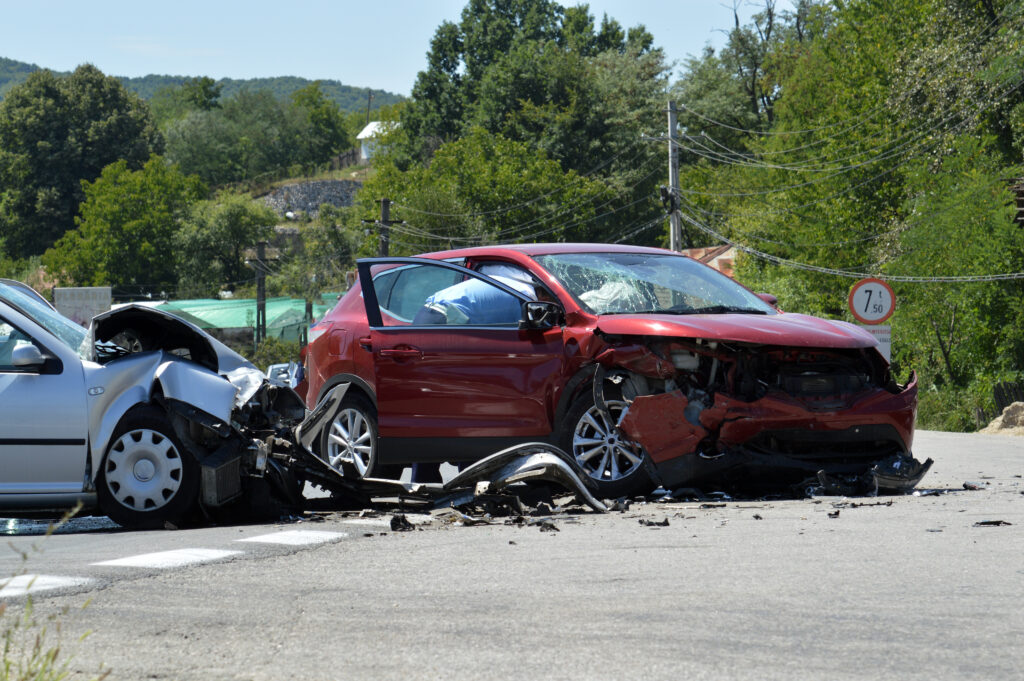
Several types of accidents frequently involve multiple liable parties. Chain reaction rear-end collisions are perhaps the most common, where Driver A hits Driver B, pushing them into Driver C, who strikes Driver D. While the initial rear driver often bears primary responsibility, other drivers may share fault for following too closely or failing to maintain proper spacing.
Intersection accidents present another frequent scenario where multiple parties share liability. Two drivers might simultaneously run red lights, colliding with each other and striking a pedestrian or third vehicle. Highway pile-ups during poor weather conditions often involve dozens of vehicles, with fault distributed among multiple drivers for excessive speed, inadequate following distance, or improper lane changes.
Joint and Several Liability in California Car Accidents
Understanding joint and several liability is crucial for multi-party accident victims in California. This legal doctrine traditionally allowed plaintiffs to collect their entire judgment from any single defendant, regardless of that defendant’s percentage of fault. However, California voters dramatically changed this system in 1986 with Proposition 51.
Before Proposition 51, if three defendants were each 10% at fault but only one had insurance or assets, that defendant could be forced to pay 100% of the damages. This created unfair situations where minimally-at-fault parties paid disproportionate amounts while primarily responsible parties escaped financial consequences.
Economic vs Non-Economic Damages Under Proposition 51
California Civil Code §1431.2 now creates a critical distinction between economic and non-economic damages that directly impacts multi-party liability. Economic damages include quantifiable losses like medical bills, lost wages, property damage, and future medical care. For these concrete financial losses, joint and several liability still applies – meaning accident victims can collect their full economic damages from any liable defendant, regardless of fault percentage.
Non-economic damages cover intangible losses like pain and suffering, emotional distress, and loss of life enjoyment. Under Proposition 51, each defendant is only severally liable for non-economic damages based on their specific percentage of fault. A defendant who’s 20% at fault can only be required to pay 20% of the pain and suffering award, even if other defendants lack insurance or assets.
When All Defendants Are Fully Liable for Your Economic Losses
The practical impact of joint and several liability for economic damages is significant. If you suffer $100,000 in medical bills and lost wages, you can pursue the full amount from any defendant who contributed to the accident, even if they’re only 5% at fault. This rule protects accident victims from being left with uncollectible judgments when the primary at-fault party lacks sufficient insurance or assets.
However, this doesn’t mean you can “double recover” – once you collect your economic damages from one defendant, you cannot pursue other defendants for the same losses. At Khakshooy Law Group, we carefully analyze each defendant’s insurance coverage and assets to develop optimal collection strategies for our clients.
Who Can Be Held Liable in Multi-Vehicle Accidents
Multi-party liability extends beyond just the drivers directly involved in the collision. California law recognizes several categories of potentially liable parties, each with different legal theories supporting their responsibility.
Multiple Drivers and Vehicle Owners
Driver negligence forms the foundation of most multi-party claims, but vehicle owners can also face liability even when they weren’t driving. California’s “permissive use” statute makes vehicle owners vicariously liable for accidents caused by anyone driving with the owner’s permission. This liability typically extends up to the minimum insurance policy limits, providing additional coverage sources for accident victims.
Parent liability presents another consideration when teen drivers cause multi-vehicle accidents. Parents who sign their minor child’s driver’s license application can face liability for accidents caused by their teen’s negligent driving, particularly if they knew about dangerous driving habits but continued allowing vehicle access.
Employers and Vicarious Liability
Employers can be held responsible for multi-vehicle accidents caused by employees driving within the scope of their employment. This “respondeat superior” doctrine applies when employees are performing work-related tasks, traveling to business meetings, making deliveries, or otherwise furthering their employer’s interests while driving.
The scope of employment analysis considers factors like whether the employee was on company time, using a company vehicle, or conducting business activities. Even employees driving personal vehicles for work purposes can create employer liability under this doctrine.
Government Entities and Road Defects
Government entities – cities, counties, and the state – can share liability when dangerous road conditions contribute to multi-vehicle accidents. Poorly designed intersections, inadequate signage, broken traffic signals, or defective road surfaces can create liability for the responsible government entity.
However, pursuing government claims requires strict adherence to California Government Code claim procedures, including filing administrative claims within six months of the accident. These cases often involve complex causation analysis showing how road defects contributed to the multi-party collision.
How Fault Is Apportioned Among Multiple Defendants
Fault apportionment in multi-party cases requires careful analysis of each party’s actions and their causal relationship to the accident. Juries receive detailed instructions on comparative fault principles and must assign specific percentages that total 100% among all responsible parties.
Gathering Evidence from All Parties Involved
Building a strong multi-party case requires comprehensive evidence collection from all potential defendants. Police reports provide initial fault assessments, but these preliminary determinations often require supplementation with additional investigation. Traffic camera footage, cell phone records showing distracted driving, and vehicle computer data can all provide crucial evidence of each party’s negligence.
Witness statements become particularly valuable in multi-party cases where the accident sequence involves multiple points of impact or various negligent acts. At Khakshooy Law Group, we immediately begin evidence preservation efforts to ensure crucial information isn’t lost or destroyed.
The Role of Insurance Companies in Multi-Party Claims
Multiple insurance policies create both opportunities and complications in multi-party accident cases. Each defendant’s insurance company will investigate the claim independently, often reaching different conclusions about fault allocation. Coordination between insurers becomes necessary to avoid duplicative coverage or gaps in protection.
Subrogation rights allow insurance companies that pay claims to pursue other liable parties for reimbursement. These inter-company disputes can delay settlement negotiations but also provide leverage for accident victims when insurers have financial incentives to establish other parties’ fault.
Settlement Strategies in Multi-Defendant Cases
Multi-party settlements involve strategic considerations absent from single-defendant cases. California’s good faith settlement procedures provide important protections for settling defendants while creating credit obligations that reduce remaining defendants’ exposure.
Good Faith Settlement Rules and Contribution Bar
California Code of Civil Procedure §877.6 establishes the good faith settlement framework that governs multi-party cases. When one defendant settles in good faith, they’re protected from contribution claims by remaining defendants, even if the settlement amount seems disproportionate to their fault percentage.
The settling defendant’s payment creates a credit that reduces remaining defendants’ maximum exposure. If Defendant A settles for $50,000 and the total judgment is $200,000, remaining defendants’ liability is reduced by the settlement amount, protecting against double recovery.
When to Settle vs When to Go to Trial
Deciding whether to accept partial settlements requires careful analysis of various factors including remaining defendants’ insurance coverage, their financial assets, and the strength of your case against each party. Sometimes accepting an early reasonable settlement from one defendant provides guaranteed recovery while you pursue others through litigation.
However, premature settlements can sometimes result in lower overall recovery if you underestimate your case value or remaining defendants’ ability to pay. Each case requires individual strategic analysis based on specific circumstances and defendant characteristics.
Common Questions About Multi-Party Car Accident Liability
Can I Sue Multiple Drivers for the Same Accident?
Yes, California law allows you to sue all parties who contributed to your accident. You’re not required to choose just one defendant – in fact, naming all potentially liable parties protects your interests by maximizing available insurance coverage and avoiding statute of limitations issues.
What Happens if One Driver Has No Insurance?
Uninsured defendants in multi-party cases can still be pursued for their share of liability, though practical collection may be difficult. Your uninsured motorist coverage may provide compensation for uninsured defendants’ share, while remaining insured defendants remain fully liable for economic damages under joint and several liability rules.
Do I Need an Attorney for Multi-Party Accident Cases?
Multi-party cases involve complex legal and strategic issues that require experienced legal representation. Fault allocation, settlement credit calculations, contribution and indemnity issues, and coordination of multiple insurance policies all require specialized knowledge that’s difficult to navigate without professional legal assistance.
Get Expert Legal Help for Your Multi-Party Accident Case
Multi-party car accident cases in California involve intricate legal principles and strategic considerations that can significantly impact your recovery. Understanding how joint and several liability applies to economic versus non-economic damages, navigating settlement credit rules, and coordinating claims against multiple defendants requires experienced legal guidance to protect your interests.
Don’t let the complexity of multi-party liability prevent you from obtaining the full compensation you deserve. At Khakshooy Law Group, our experienced California personal injury attorneys have successfully handled numerous multi-defendant accident cases, securing maximum recovery for our clients through strategic litigation and settlement negotiations. We understand how to effectively pursue all liable parties while protecting your rights throughout the process. Contact us today to schedule your free consultation and learn how we can help you navigate your multi-party accident claim.