
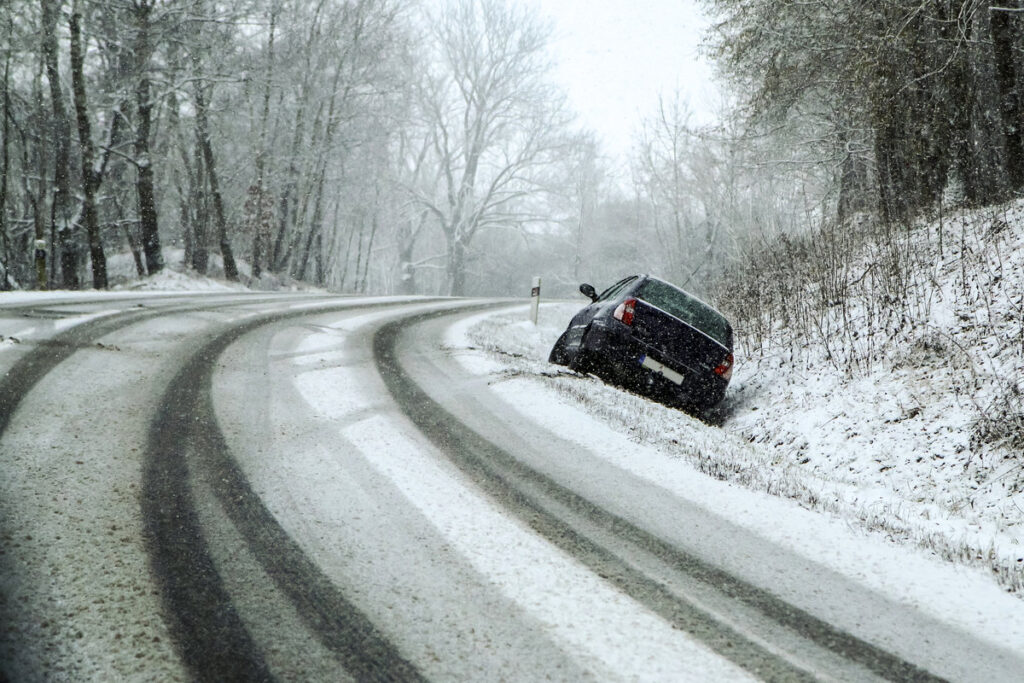
When rain starts falling on California roads or thick fog blankets the Central Valley, many drivers mistakenly believe these conditions provide a valid excuse if they cause an accident. The truth is quite different under California law. Weather conditions don’t eliminate your duty to drive safely – they actually increase your responsibility to adjust your driving for the conditions you encounter.
California courts consistently hold that drivers must modify their behavior when weather creates hazardous conditions. This means reducing speed, increasing following distance, using headlights, and sometimes pulling over entirely when conditions become too dangerous. The California Vehicle Code explicitly requires drivers to operate their vehicles at speeds appropriate for weather, visibility, and road surface conditions, regardless of posted speed limits.
Whether you’re dealing with morning fog on Highway 99, sudden rainfall after months of dry weather, or high winds through mountain passes, understanding weather-related liability can protect you from serious legal and financial consequences. At [Company], we help California drivers navigate the complex intersection of weather conditions and legal responsibility, ensuring their rights are protected when accidents occur during adverse weather.
Understanding Weather-Related Accident Liability in California
California’s approach to weather liability is straightforward: bad weather increases the need for careful driving rather than excusing negligent behavior. Under California law, drivers have an absolute duty to adjust their driving for prevailing conditions, and this duty doesn’t disappear when rain, fog, or wind make driving more challenging.
The fundamental principle governing weather-related accidents in California is that all drivers encountering the same conditions have an equal responsibility to drive safely. If other drivers successfully navigated the same weather conditions without causing an accident, courts and juries will examine why the at-fault driver failed to do the same.
Why Weather Doesn’t Excuse Negligent Driving
California courts recognize that weather makes driving more dangerous, but they also understand that responsible drivers can handle adverse conditions by making appropriate adjustments. The legal reasoning is based on foreseeability – most weather conditions in California are predictable and manageable with proper precautions.
For example, morning fog in the Central Valley occurs regularly during fall and winter months. Drivers familiar with the area should anticipate these conditions and plan accordingly. Similarly, the first rainfall after California’s long dry season creates notoriously slippery road conditions as accumulated oils rise to the surface, but this phenomenon is well-known and should be expected.
The Reasonable Driver Standard in Adverse Weather
California applies the “reasonable person” standard to determine negligence in weather-related accidents. This standard asks what a reasonably careful driver would have done under the same weather conditions. The analysis considers factors like:
- Whether the weather was foreseeable or sudden
- What adjustments a reasonable driver would make
- Whether the defendant took appropriate precautions
- How other drivers handled the same conditions
This standard recognizes that weather creates challenges while maintaining that competent drivers can meet those challenges through careful, defensive driving techniques.
California’s Basic Speed Law and Weather Conditions
The cornerstone of weather-related liability in California is Vehicle Code Section 22350, known as the Basic Speed Law. This statute explicitly requires drivers to consider weather conditions when determining safe driving speeds, stating that no person shall drive “at a speed greater than is reasonable or prudent having due regard for weather, visibility, the traffic on, and the surface and width of, the highway.”
This law makes weather conditions a mandatory consideration in determining appropriate driving speed. When weather reduces visibility, creates slippery surfaces, or otherwise increases driving hazards, the Basic Speed Law requires drivers to reduce their speed below posted limits if necessary for safety.
When Posted Speed Limits Don’t Apply
Many drivers mistakenly believe that staying within posted speed limits protects them from liability. However, California’s Basic Speed Law supersedes posted speed limits when conditions are hazardous. If you’re driving the speed limit during heavy rain and lose control due to hydroplaning, you can still be found negligent for driving too fast for conditions.
Posted speed limits assume ideal driving conditions – clear weather, good visibility, and dry roads. When these conditions don’t exist, drivers must use their judgment to determine safe speeds regardless of what signs indicate. This principle applies to all weather conditions, from light rain to dense fog to high winds.
Proving Speed Violations in Weather Conditions
When weather is a factor in an accident, establishing that a driver violated the Basic Speed Law becomes crucial for proving negligence. Evidence might include:
- Skid marks showing the vehicle was traveling too fast to stop safely
- Impact damage indicating excessive speed for conditions
- Witness testimony about the defendant’s speed relative to other traffic
- Weather reports documenting conditions at the time of the accident
- Expert analysis of stopping distances in wet or icy conditions
At [Company], we work with accident reconstruction specialists who can analyze these factors to determine whether drivers were operating at reasonable speeds for the prevailing weather conditions.
Types of Weather Conditions and Legal Liability
California’s diverse climate creates various weather-related driving hazards, each carrying specific legal implications for drivers who fail to adjust appropriately.
Rain and Hydroplaning Accidents
Rain-related accidents are the most common type of weather crash in California. The first 10-15 minutes of rainfall are particularly dangerous as oils and debris accumulated during dry periods create extremely slippery conditions. This is especially problematic in California, where months may pass between significant rainfall events.
Hydroplaning occurs when tires lose contact with the road surface due to a layer of water. Drivers who cause accidents due to hydroplaning are typically found negligent for failing to reduce speed appropriately for wet conditions. The key factors in hydroplaning cases include:
- Vehicle speed at the time of rain onset
- Tire condition and tread depth
- Whether the driver reduced speed when rain began
- Road design and drainage adequacy
California courts have consistently held that drivers must anticipate hydroplaning risks and adjust their driving accordingly when roads are wet.
Fog Accidents and Visibility Requirements
The Central Valley’s notorious tule fog creates some of the most dangerous driving conditions in the United States, with visibility often reduced to less than 10 feet. These dense fog conditions contribute to multiple multi-vehicle pile-ups annually on highways like Interstate 5 and State Route 99.
When fog reduces visibility, drivers have specific legal duties:
- Reduce speed dramatically – often to 15-25 mph or less
- Use headlights even during daytime hours
- Increase following distance significantly
- Consider pulling off the highway entirely if visibility becomes too poor
Coastal areas experience different fog patterns, including marine layer conditions that can appear suddenly. Regardless of fog type, drivers who continue at normal speeds in severely reduced visibility face liability for any resulting accidents.
Wind, Sun Glare, and Other Weather Hazards
High winds affect vehicle control, particularly for high-profile vehicles like trucks, RVs, and vans. Areas like the Cajon Pass and Grapevine are known for strong crosswinds that can push vehicles out of their lanes. Drivers must reduce speed and maintain firm control when winds are severe.
Sun glare, while not technically weather, creates similar visibility challenges. California’s clear skies and strong sun can create blinding conditions during sunrise and sunset hours, particularly on east-west roadways. Drivers experiencing sun glare must use visors, reduce speed, or pull over if visibility becomes too compromised to drive safely.
Proving Negligence in Weather-Related Accidents
Successfully proving negligence in weather-related accidents requires careful documentation of both the weather conditions and the defendant’s failure to adjust driving behavior appropriately.
Documenting Weather Conditions at Accident Scene
Accurate weather documentation is essential for weather-related accident cases. The National Weather Service maintains detailed historical data through NOAA’s climate database, providing hourly reports from airports and weather stations throughout California. This official data is admissible in court and can establish exact conditions at the time of an accident.
Additional evidence sources include:
- Photos and videos taken at the accident scene
- Dashcam footage showing actual visibility and road conditions
- Witness testimony describing weather conditions
- Police report observations of weather and road conditions
- News media weather coverage from the accident timeframe
Timing is crucial – weather conditions can change rapidly, so evidence must correlate specifically to the accident time rather than general conditions throughout the day.
Witness Testimony and Expert Analysis
Eyewitness accounts of weather conditions and driving behavior provide valuable evidence in weather-related cases. Witnesses can describe visibility levels, road surface conditions, and how different drivers were handling the same weather conditions.
Expert witnesses, including meteorologists and accident reconstruction specialists, can analyze weather data and explain how reasonable drivers should have responded to the documented conditions. These experts can also calculate appropriate speeds for various weather scenarios and determine whether defendants’ actions met reasonable care standards.
When Weather Legitimately Reduces Liability
While weather rarely provides a complete defense to negligent driving claims, certain exceptional circumstances may reduce a driver’s liability or provide valid defenses.
The Emergency Doctrine in Weather Cases
California’s emergency doctrine applies when drivers face sudden, unforeseeable emergencies requiring split-second decisions. However, this doctrine rarely applies to weather conditions because most weather develops gradually, giving drivers time to adjust their behavior.
The emergency doctrine might apply in situations like:
- Sudden microbursts or severe wind gusts
- Unexpected black ice in areas where it’s not typically anticipated
- Flash flooding that develops faster than drivers can react
To invoke the emergency doctrine, defendants must prove the weather condition was truly sudden and unforeseeable, they didn’t create the emergency through their own conduct, and they responded reasonably under the circumstances.
Act of God vs. Foreseeable Weather Events
Insurance companies and defendants often argue that weather events constitute “acts of God” that relieve drivers of liability. However, California courts are skeptical of these defenses because most weather conditions are foreseeable and manageable with appropriate precautions.
True acts of God in the weather context are extremely rare and typically involve conditions that are both unforeseeable and unavoidable despite reasonable care. Common California weather patterns – including seasonal rain, predictable fog, and regular wind conditions – don’t qualify as acts of God because drivers should anticipate and prepare for these conditions.
Comparative Negligence in Weather Accidents
California’s pure comparative negligence system allows accident victims to recover damages even when they bear partial responsibility for an accident. In weather-related cases, courts often find that both parties failed to adequately adjust for conditions, requiring juries to allocate fault percentages between the parties.
Allocating Fault When Both Drivers Fail to Adjust
When both drivers in a weather-related accident failed to drive appropriately for conditions, juries must determine each party’s relative fault. Factors considered include:
- The degree to which each driver exceeded safe speeds for conditions
- Whether drivers maintained appropriate following distances
- Proper use of headlights and other safety equipment
- Overall driving behavior relative to the weather conditions
For example, if one driver was following too closely in fog while another was driving too fast for conditions, a jury might allocate fault based on which behavior contributed more significantly to the accident’s severity.
Insurance Company Tactics and Weather Defenses
Insurance adjusters routinely use weather conditions to deny claims or reduce settlement values. Common tactics include arguing that weather was the sole cause of accidents, claiming that conditions constituted acts of God, or asserting that both parties were equally responsible for failing to adjust to conditions.
At [Company], we understand these tactics and work to counter them by documenting defendants’ specific failures to meet their duty of care, demonstrating how other drivers successfully handled the same conditions, and presenting evidence showing that proper driving techniques would have prevented the accident despite adverse weather.
Special Considerations and Legal Protections
Weather-related accidents sometimes involve additional complexities, including government entity liability, commercial vehicle standards, and unique settlement considerations.
Government Entity Liability for Weather-Related Road Conditions
Government agencies may bear liability for weather-related accidents when poor road design or inadequate maintenance contributes to dangerous conditions. Under the California Tort Claims Act, cities, counties, and CalTrans can be held responsible for dangerous conditions of public property, including:
- Inadequate drainage systems causing standing water and hydroplaning risks
- Missing or inadequate warning signs for fog-prone areas
- Poor road design that doesn’t account for predictable weather patterns
- Failure to maintain traffic signals during power outages caused by storms
However, claims against government entities must be filed within six months of the incident, significantly shorter than the two-year statute of limitations for claims against private defendants.
Commercial Vehicle Weather Standards
Commercial drivers face enhanced duties of care during adverse weather conditions. Federal Motor Carrier Safety Regulations require commercial drivers to reduce speed and stop driving entirely if conditions become too hazardous. Companies that pressure drivers to maintain schedules despite dangerous weather conditions may face liability for negligent supervision.
Commercial vehicles also present unique challenges in weather conditions due to their size, weight, and handling characteristics. Truckers must account for longer stopping distances in wet conditions, increased wind susceptibility, and reduced maneuverability when determining safe speeds and following distances.
Protecting Your Rights After a Weather-Related Accident
If you’re involved in a weather-related accident, immediate steps can protect your legal rights:
- Document weather conditions through photos and videos
- Gather witness contact information and statements about conditions
- Obtain official weather reports for the accident time and location
- Avoid admitting fault or discussing weather as an excuse
- Seek medical attention promptly for any injuries
- Consult with an experienced personal injury attorney before providing recorded statements to insurance companies
Remember that weather conditions don’t eliminate other drivers’ responsibilities to operate their vehicles safely, and you deserve full compensation for injuries caused by defendants who failed to adjust their driving for adverse conditions.
Get Expert Legal Help for Your Weather-Related Accident Case
Weather-related car accident cases in California require specialized knowledge of state vehicle codes, liability standards, and the complex factors that determine fault when adverse conditions are present. While weather makes driving more challenging, it doesn’t excuse negligent behavior or eliminate your right to compensation when other drivers fail to meet their duty of care.
At California Car Accidents Lawyer, our experienced California personal injury attorneys understand the nuances of weather-related accident liability and work diligently to protect our clients’ rights. We know how to counter insurance company tactics that blame weather rather than driver negligence, and we have the resources to thoroughly investigate and document the conditions that contributed to your accident. Contact us today at +1 1184 4457 44 or through our contact form to discuss your weather-related accident case and learn how we can help you recover the compensation you deserve.
Legal Disclaimer: This article provides general educational information about California law and should not be considered legal advice. Weather-related accident cases are highly fact-specific and require professional legal analysis of the particular circumstances, applicable laws, and individual case merits. Always consult with a qualified California personal injury attorney to understand how the law applies to your specific situation.